
This article is written for Lumina Pilates B2B buyers, with product links and inquiry paths adapted to Lumina's catalog.
Quick answer for new studio owners
For Pilates reformer equipment used vs new decisions, new equipment is usually safer for launch consistency, warranty, matching finishes and export documentation. Used reformers may reduce upfront cost, but buyers must inspect frame alignment, carriage movement, springs, ropes, upholstery, missing accessories, replacement parts and whether every station can support repeated commercial use.
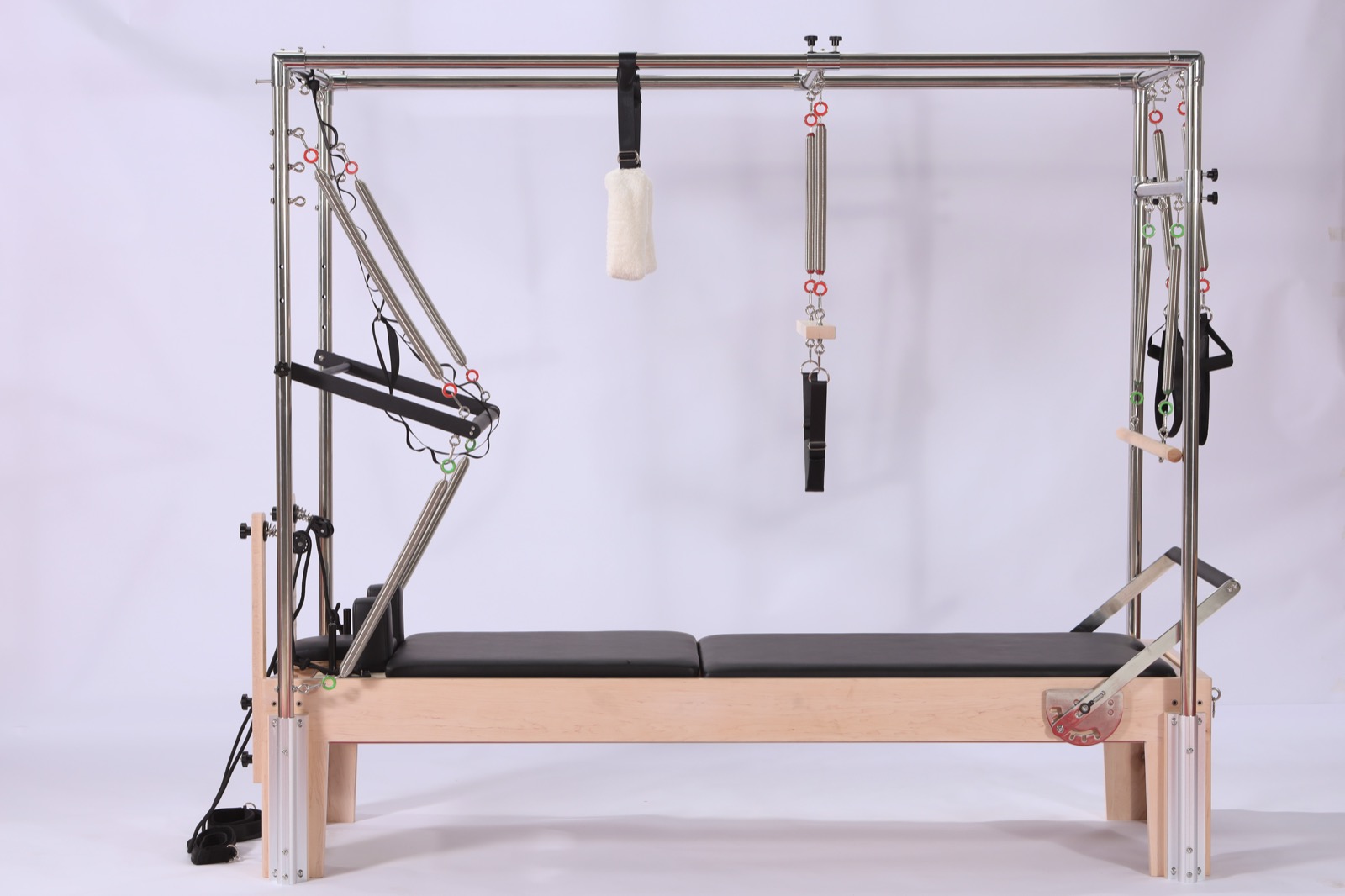
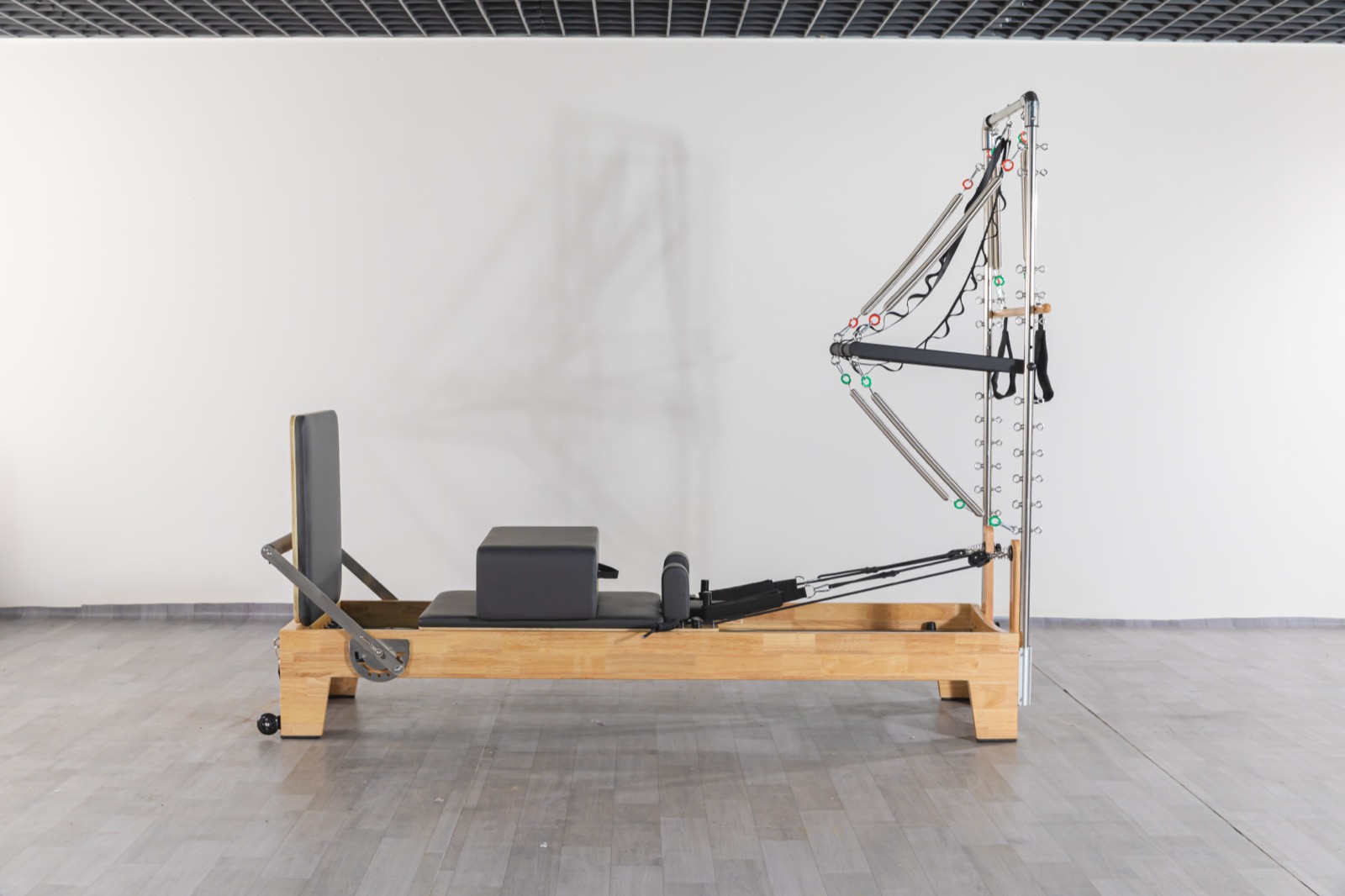
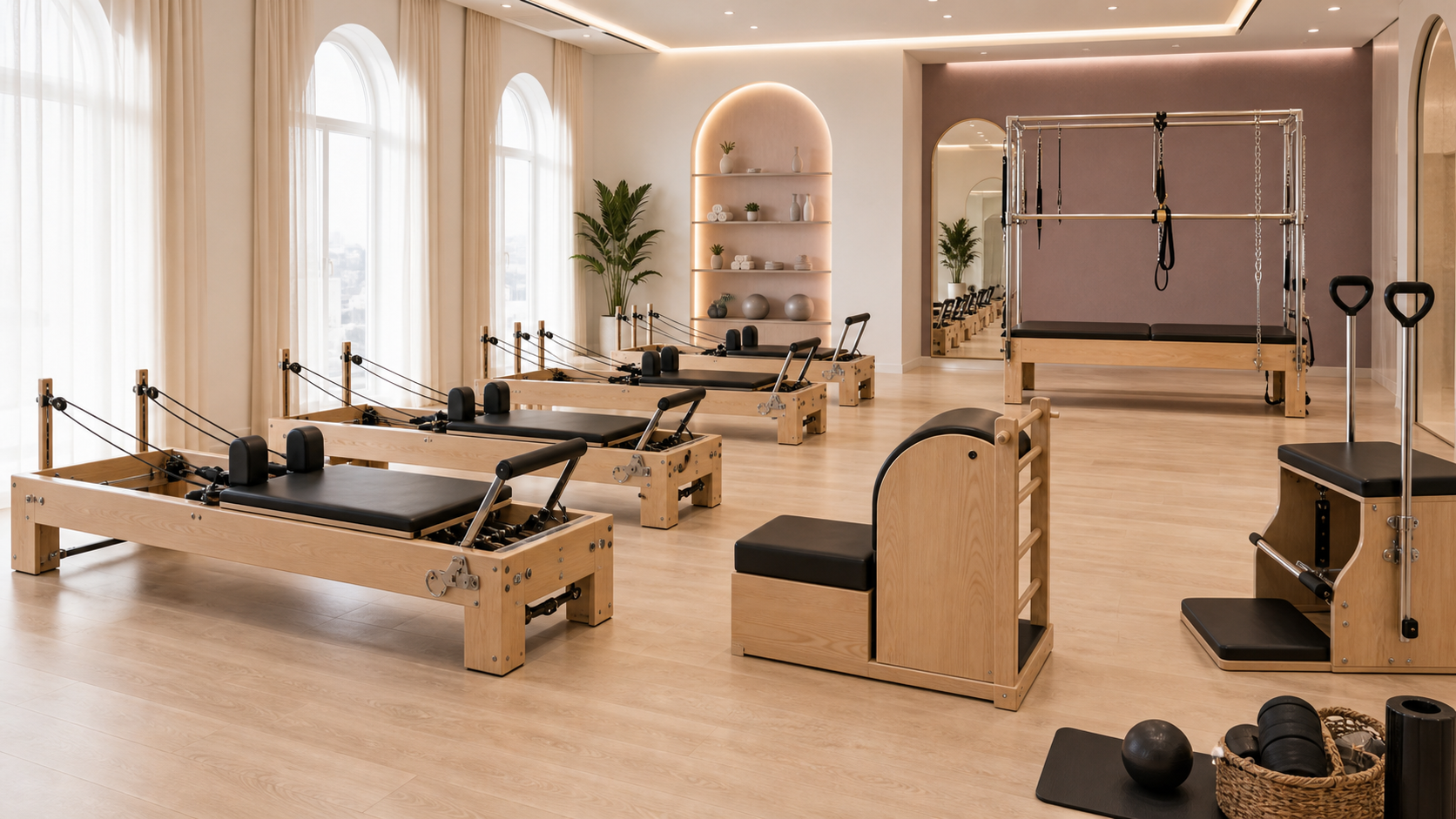
A new Pilates studio usually starts with reformers, then adds tower or Cadillac equipment, chairs, barrels, spine correctors, boxes, jump boards, loops, straps and selected spare parts according to room size and class format. The exact package should be adjusted by studio positioning, instructor program, buyer budget, destination country and customization needs.
For overseas buyers, a studio checklist should also include specification sheets, packing data, export packing, accessory lists, logo options and catalog download or quote steps. A beautiful equipment list is not enough if the buyer cannot confirm dimensions, packing or after-sales support before shipment.
Start with the business model
A boutique studio, physiotherapy clinic, hotel wellness room and distributor showroom need different starting lists. A boutique studio may prioritize premium wood reformers and visual consistency. A clinical room may prioritize stability, controlled movement and a Cadillac or tower option. A distributor may need repeatable SKUs and private label packaging.
Before requesting a quote, write down room size, expected class size, private-session ratio, opening date, destination country, preferred frame material and whether logo or upholstery customization is required. This makes the supplier recommendation more practical and reduces back-and-forth.
Core equipment groups
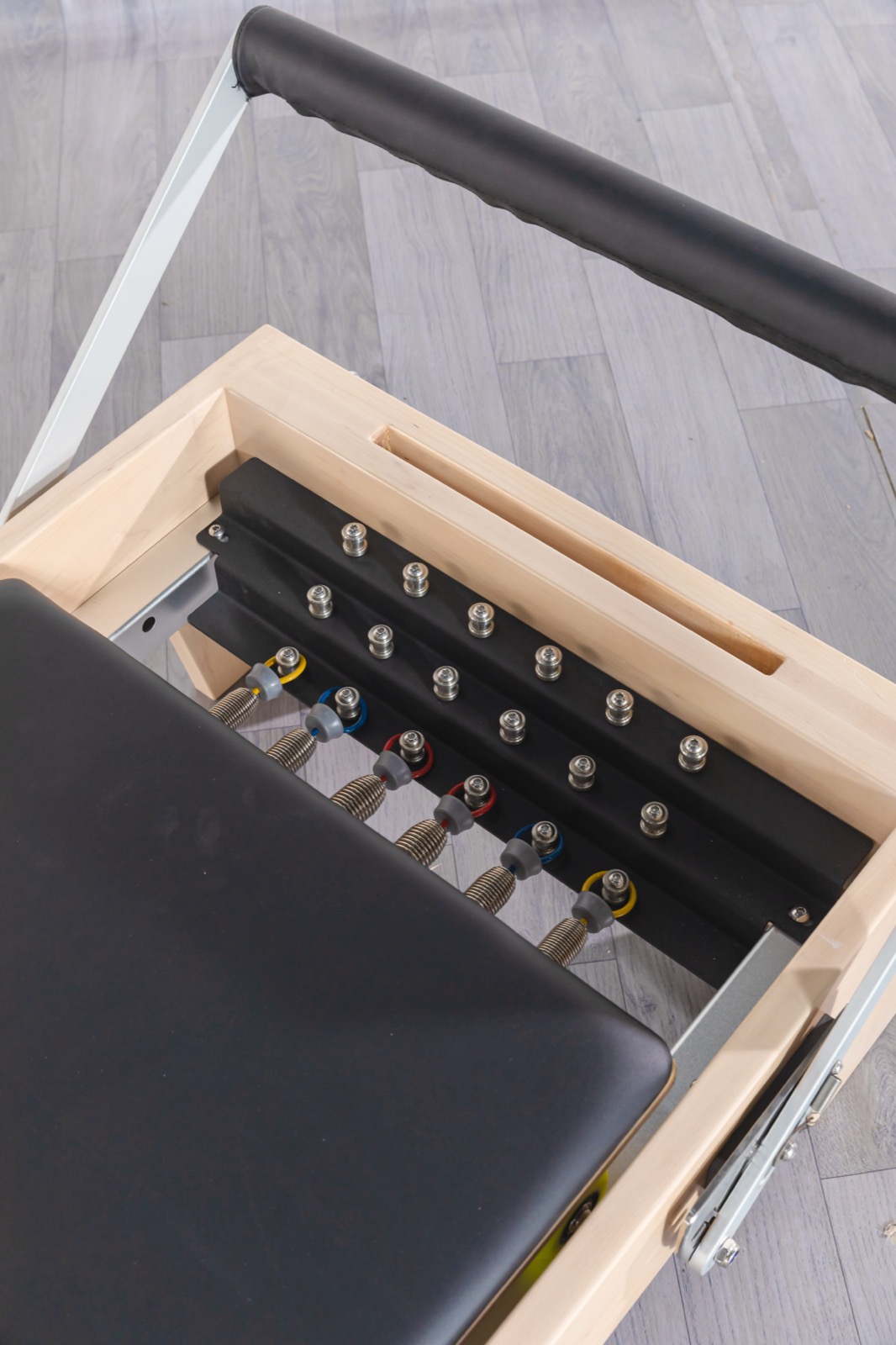
Reformers are usually the first purchase because they define the main class capacity. Wood reformers support premium interiors, aluminum or foldable reformers support compact and practical spaces, and tower reformers add more private-session flexibility. The first reformer mix should match how the studio expects to earn revenue.
Add-on equipment such as Pilates chairs, Wunda chairs, ladder barrels and spine correctors should be planned around teaching style. These products help a studio offer more private sessions, rehabilitation-style movement and complete training packages without filling the room with too many reformers.
Pilates reformer equipment used vs new
Pilates reformer equipment used vs new is a purchase decision between second-hand reformers with inspection and service risk and new commercial reformers with controlled specifications, matching accessories, warranty communication and export-ready packing records.
Used Pilates reformer equipment can fit a temporary room, a small trial location or a local buyer who can inspect every machine in person. If a buyer finds used machines through Facebook groups, local resale posts or marketplace channels, check frame alignment, carriage movement, spring age, rope condition, upholstery cracks, missing accessories, brand support and whether replacement parts are still available.
New Pilates reformer equipment is usually better for a full launch, distributor showroom or branded studio package because the buyer can keep matching models, finishes, accessories, packing records and warranty communication in one order. For international buyers, new equipment also makes export packing, specification sheets and OEM color or logo decisions easier to control.
Entity definition: Pilates studio equipment used vs new is a purchase comparison between pre-owned reformers, Cadillac units, chairs or barrels with inspection risk and newly manufactured equipment with controlled specifications, matching accessories, warranty communication and export-ready documentation.
Quote-ready fact: new studio equipment helps buyers keep reformers, towers, chairs, barrels, upholstery colors, accessories, packing records and spare-part communication aligned across the first order.
Accessories, spare parts and packing
Accessories are easy to underestimate. Boxes, jump boards, loops, straps, poles and springs can affect class programming and member experience. For group classes, consistent accessory sets help instructors run sessions smoothly. For private sessions, a more varied accessory mix may be useful.
Bulk buyers should ask how accessories are packed and labeled. A mixed order may include reformers, towers, chairs, barrels and small accessories. Clear packing lists, carton marks and accessory records make receiving and installation easier after arrival.
OEM and private label checklist
If the studio or distributor wants branded equipment, confirm logo placement, upholstery color, frame finish, packaging labels and model naming before production. Customization should support the product experience and not interfere with cleaning, replacement parts or daily use.
Private label buyers should keep a record of every approved product detail. The goal is a repeatable product line, not a one-time custom order that becomes hard to support later.
FAQ
What equipment is needed for a Pilates studio? Most studios start with reformers, then add tower or Cadillac options, chairs, barrels, spine correctors, boxes, jump boards and accessories based on program needs.
Is Pilates reformer equipment used vs new better for B2B buyers? New reformer equipment is usually safer for studios, distributors and importers that need matching models, export packing, warranty communication, OEM options and repeatable spare-part support. Used equipment can work only when every unit is inspected locally.
Is Pilates studio equipment used vs new better for a new studio? New equipment is usually better for a formal launch because it supports matching models, warranty communication, consistent accessories and export documentation. Used equipment may work only when each machine can be inspected locally for wear, safety and replacement-part availability.
Should a new Pilates studio buy used or new equipment? New equipment is usually better for consistent studio launch, warranty support, matching models and export documentation. Used equipment can reduce upfront cost only if each unit is inspected for wear, safety, accessories and replacement-part availability.
What should I inspect before buying used Pilates reformer equipment? Check frame stability, carriage movement, springs, ropes, pulleys, wheels, upholstery, footbar condition, missing parts, service history and whether the equipment is suitable for repeated commercial use.
When should a studio request a new Pilates equipment quote? Request a quote when the room size, target class format, model list, quantity, destination country, logo needs and accessory plan are clear enough for a supplier to prepare a practical package.
How many reformers should a new studio buy? A starter room may plan 2-4 reformers, while boutique and commercial rooms may plan higher ranges after layout confirmation.
Should new studios buy all accessories immediately? Start with accessories that support the first class program, then expand after the studio knows its member demand.
Can a studio package be customized with logo and colors? Logo, upholstery color, frame finish and packaging can be discussed before production based on model and order requirements.
Related planning links
Key Takeaways
- Studio equipment planning should start from business model and room layout.
- Used reformer equipment needs inspection for wear, missing parts and commercial-use suitability.
- New reformer equipment supports consistent models, warranty communication and export documentation.
- Reformers, towers, chairs, barrels and accessories should work as a package.
- Bulk buyers need specs, packing and customization clarity before ordering.