
This article is written for Lumina Pilates B2B buyers, with product links and inquiry paths adapted to Lumina's catalog.
Quick answer for bulk buyers
Commercial Pilates reformers commonly use wood or aluminum frames, commercial upholstery, spring resistance systems, ropes, pulleys, rails, carriage wheels, footbars and accessory hardware. The exact material and specification depend on the model and configuration.
Bulk buyers should request specification sheets before order confirmation, especially when comparing reformers for studios, distributors, clinics or private label product lines.
Frame materials: wood and aluminum
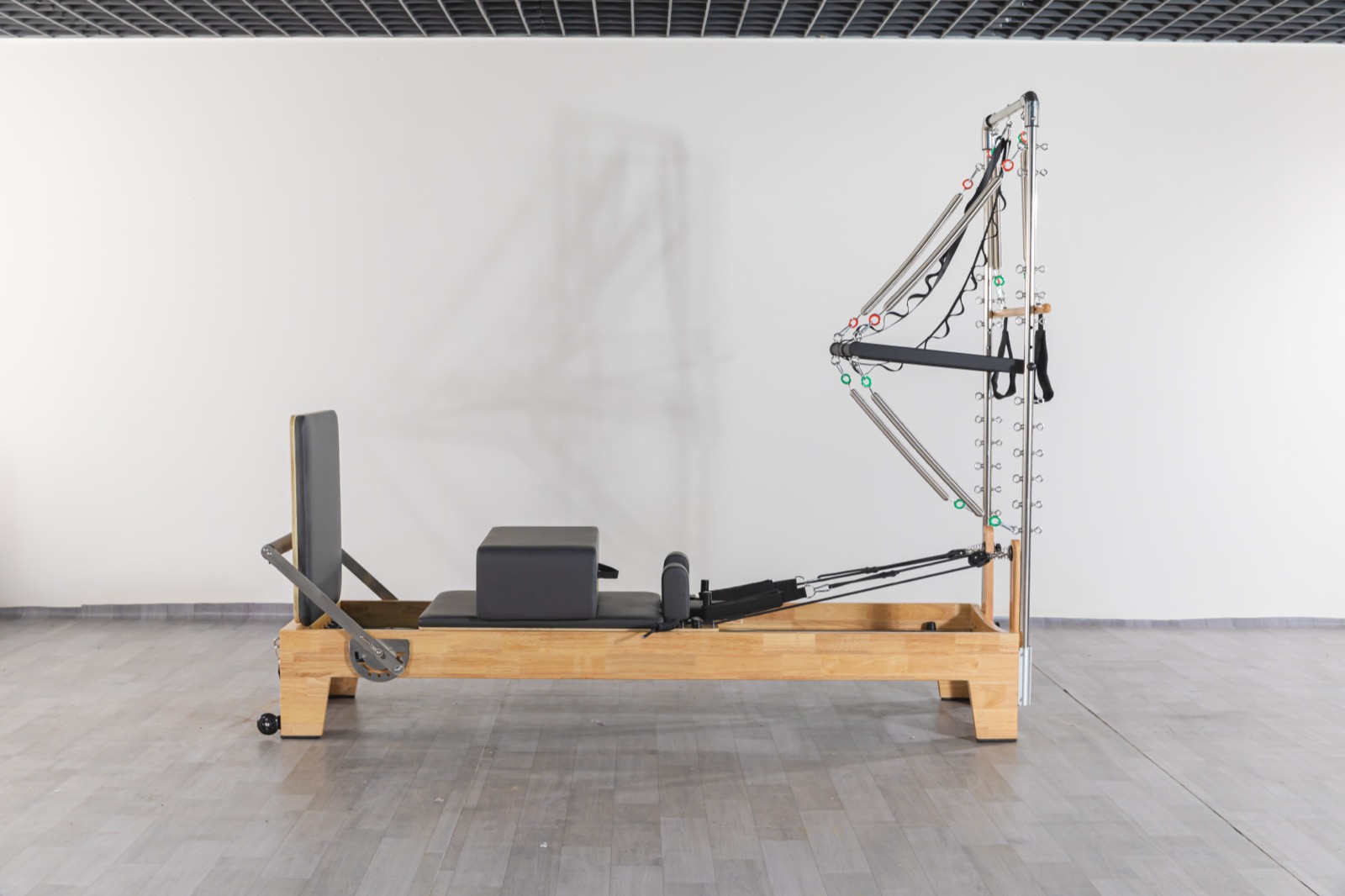
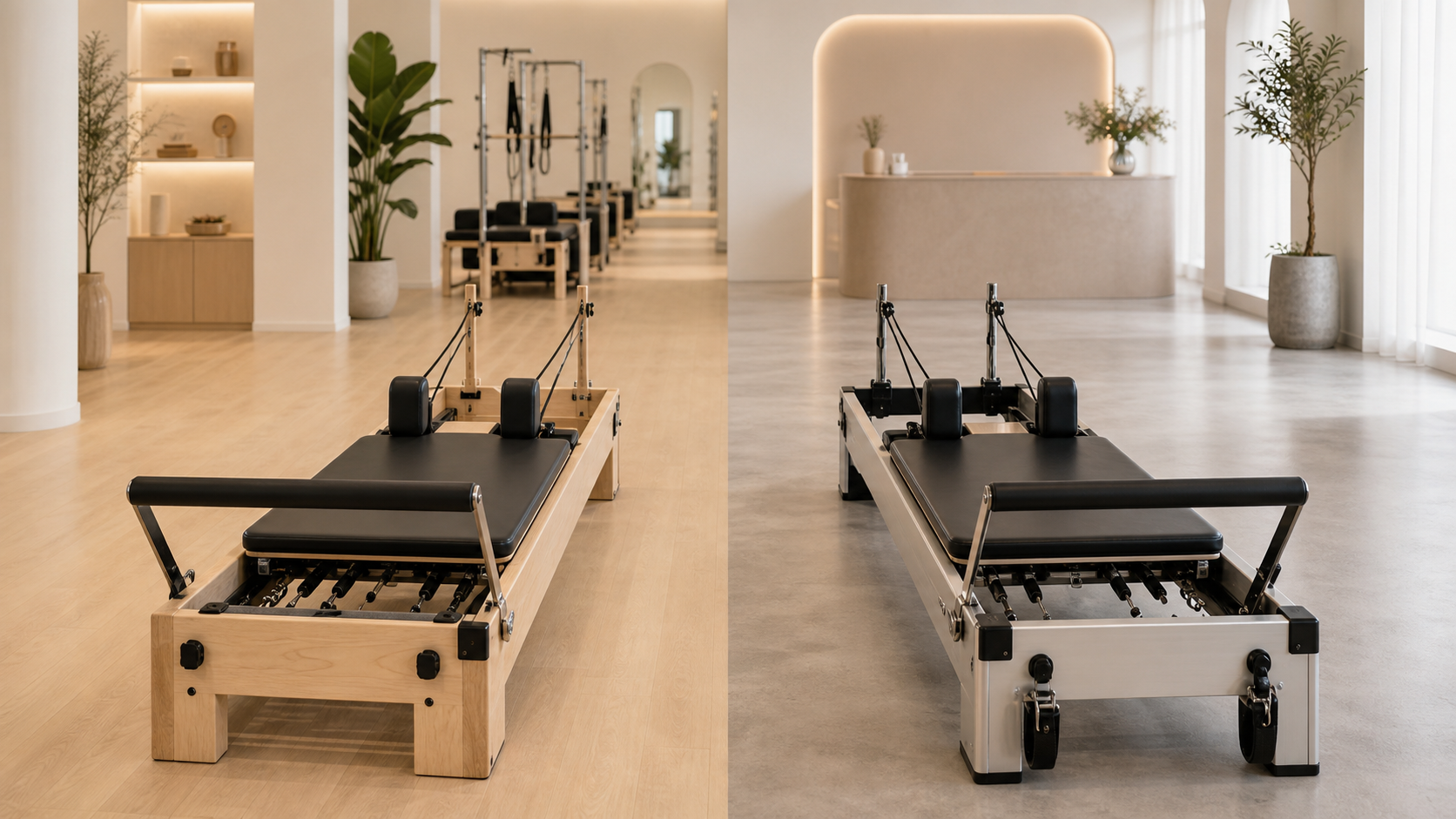
Wood reformers are often chosen for boutique studios, premium interiors and warm visual presentation. Maple and oak-style frames can help a Pilates room feel more refined when the finish and proportions match the studio design.
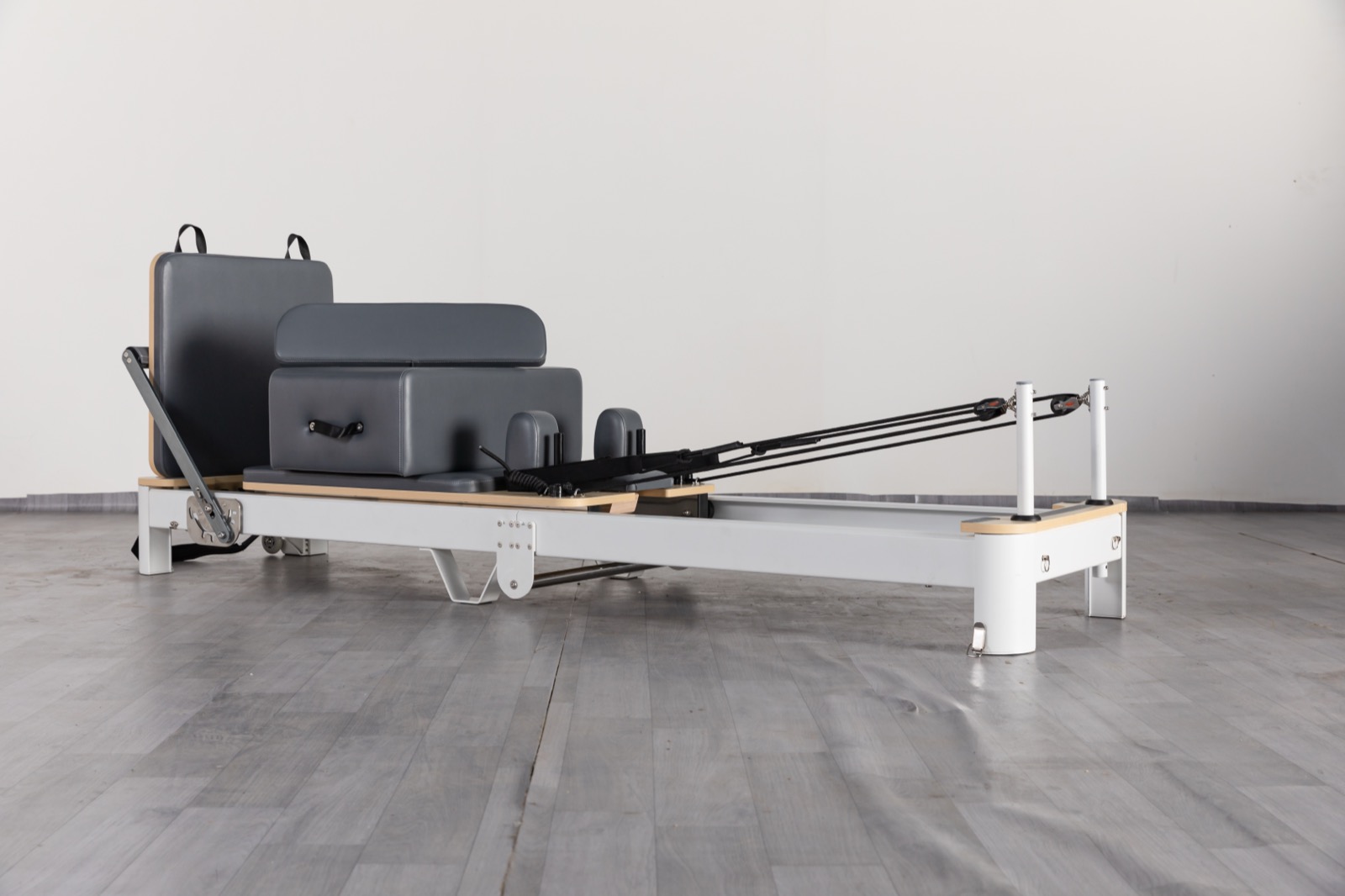
Aluminum reformers are often chosen for modern studios, compact rooms, distributor catalogs and buyers who prefer a clean technical look. Folding aluminum models can support space-saving applications when stability and locking structure are confirmed.
Upholstery, springs and movement parts
Upholstery affects comfort, cleaning and the perceived quality of the equipment. Buyers should confirm color options, surface feel, stitching quality and replacement support. If a studio has a strong interior concept, upholstery should be reviewed before production.
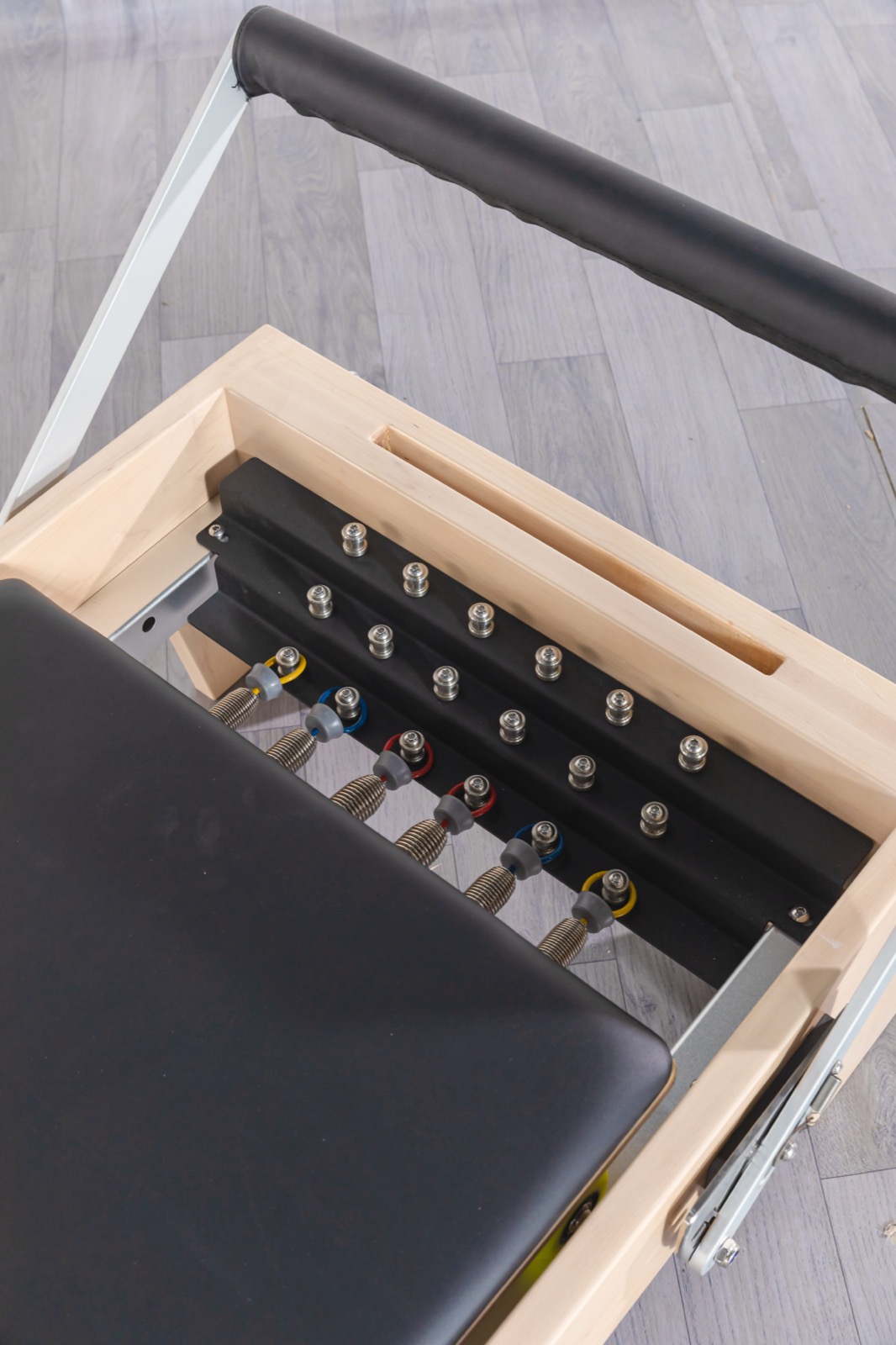
Springs, ropes, pulleys and wheels define the training feel. Commercial buyers should ask about spring resistance options, rope setup, pulley response, carriage movement and future spare-part supply. These items matter more in daily use than many visual details.
Materials and OEM decisions
Private label buyers should record material choices for every model. A brand catalog should explain whether the reformer is wood or aluminum, what upholstery direction is available, how accessories are included and which specifications still need confirmation from the factory.
Do not publish unconfirmed material claims, certification claims or exact technical values without a supplier specification sheet. Clear, safe wording is better than inaccurate detail.
FAQ
Which frame material is best for commercial Pilates reformers? Wood and aluminum can both work. The best choice depends on studio design, use case, storage needs, budget and brand positioning.
What material details should buyers ask for? Ask for frame material, upholstery, springs, ropes, pulleys, wheels, rails, accessories, product size, packing size and weight.
Can materials be customized? Upholstery color, frame finish, logo and packaging can often be discussed, but final feasibility depends on model and order requirements.
Key Takeaways
- Commercial reformer material checks should include frame, upholstery and movement parts.
- Wood and aluminum serve different buyer scenarios.
- Specification sheets protect both SEO content and buyer communication from inaccurate claims.