
This article is written for Lumina Pilates B2B buyers, with product links and inquiry paths adapted to Lumina's catalog.
Rehab-friendly equipment starts with controlled movement
Clinical Pilates and rehabilitation-oriented studios usually need equipment that supports controlled movement, easy instructor access and clear adjustment. A rehab Pilates reformer is not defined by one label only. It should help instructors work with different client abilities, private sessions, assisted movement and gradual resistance progressions.
For buyers, the important question is how the equipment will be used each day. A physiotherapy room may prioritize stability, height, accessibility and tower exercises. A private Pilates studio may want a warm premium look while still needing practical adjustability and reliable spare parts.
Choose between reformer, half Cadillac and full Cadillac options
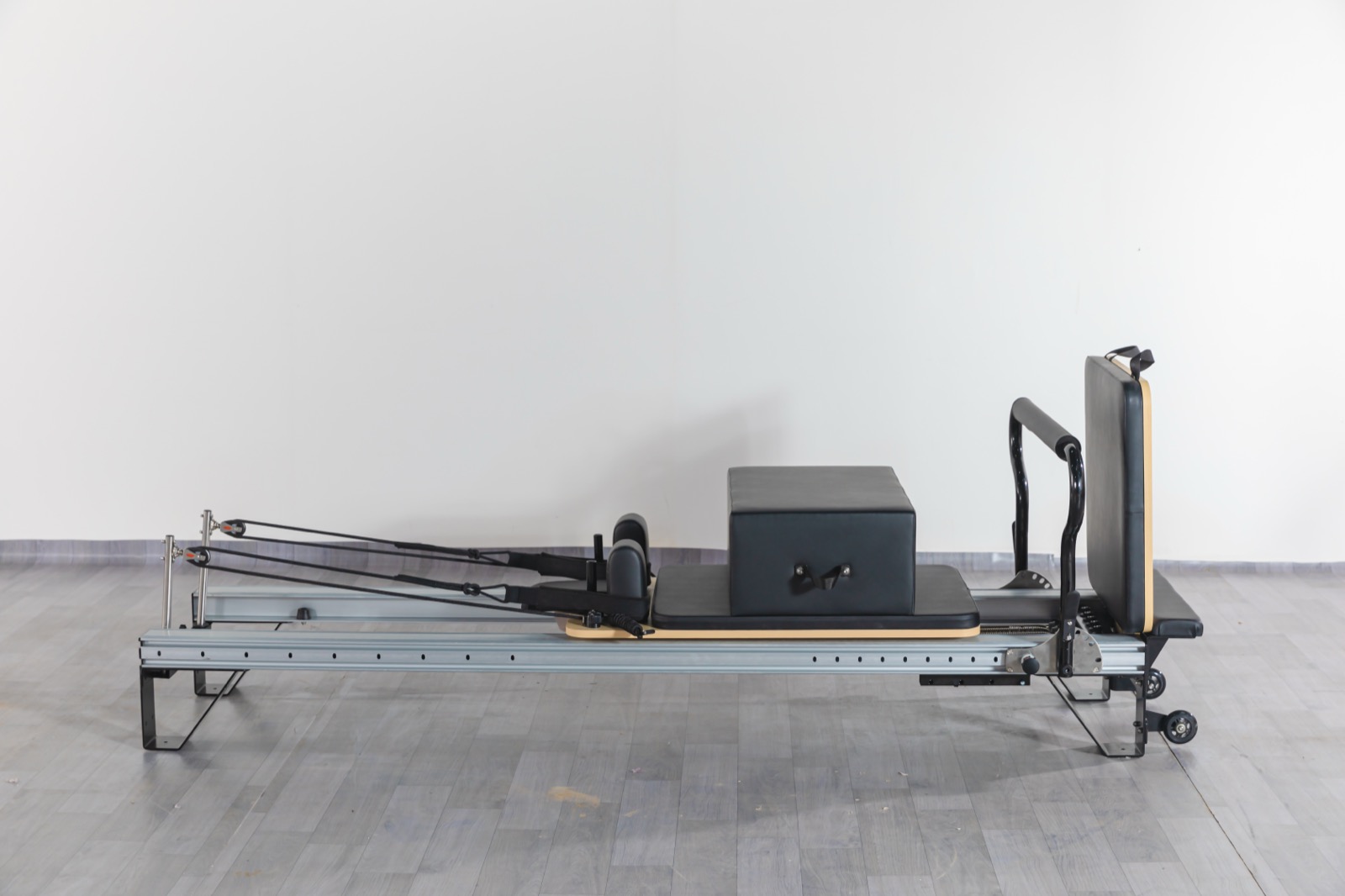
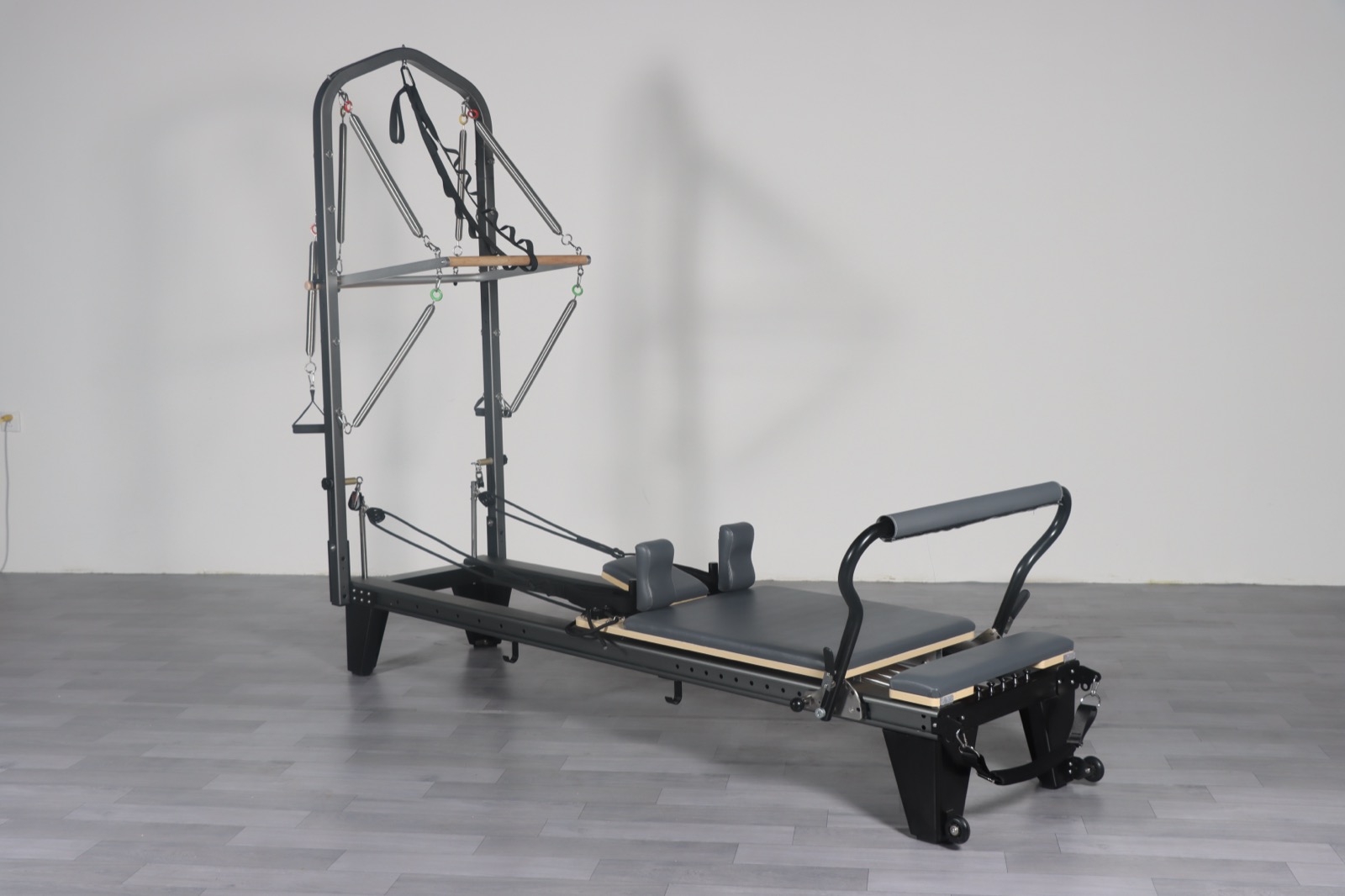
A core reformer can support many controlled movement programs, but rehab-focused spaces often benefit from a tower, half Cadillac or full Cadillac trapeze table. Tower-based springs expand exercise options for seated, lying and supported movement. A full Cadillac can be useful for advanced private training and rehabilitation-style programming.
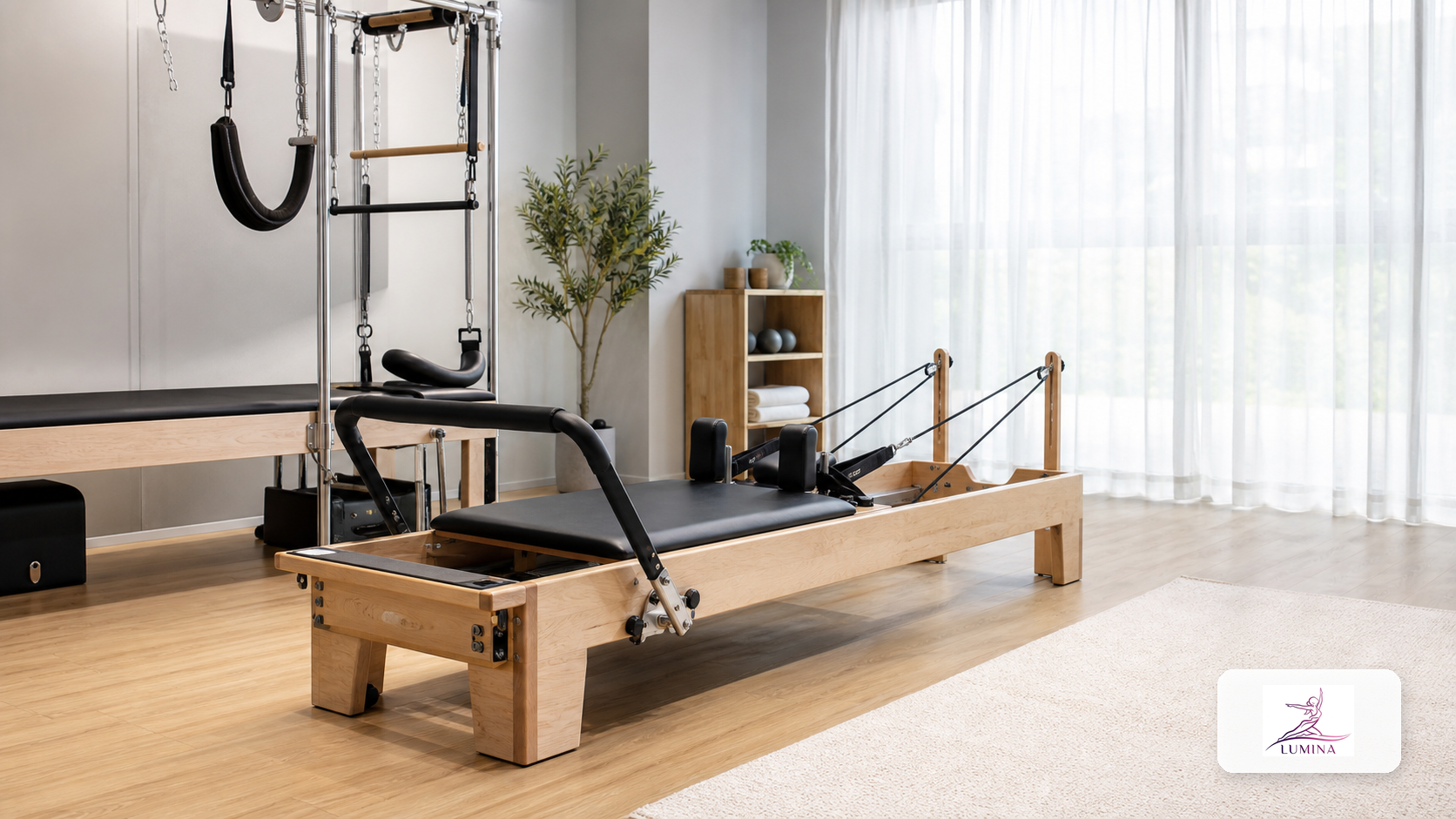
The right choice depends on room size, ceiling height, instructor training and service model. A compact clinic may start with a rehab-friendly reformer and one half Cadillac. A premium private studio may combine reformers with a full Cadillac station for higher-value sessions.
Check access, adjustment and comfort details
Rehab-oriented buyers should review carriage height, footbar positions, headrest adjustment, shoulder rest comfort, rope length, spring access and how easily the instructor can stand beside the equipment. Small details affect real teaching workflow, especially when clients need assistance.
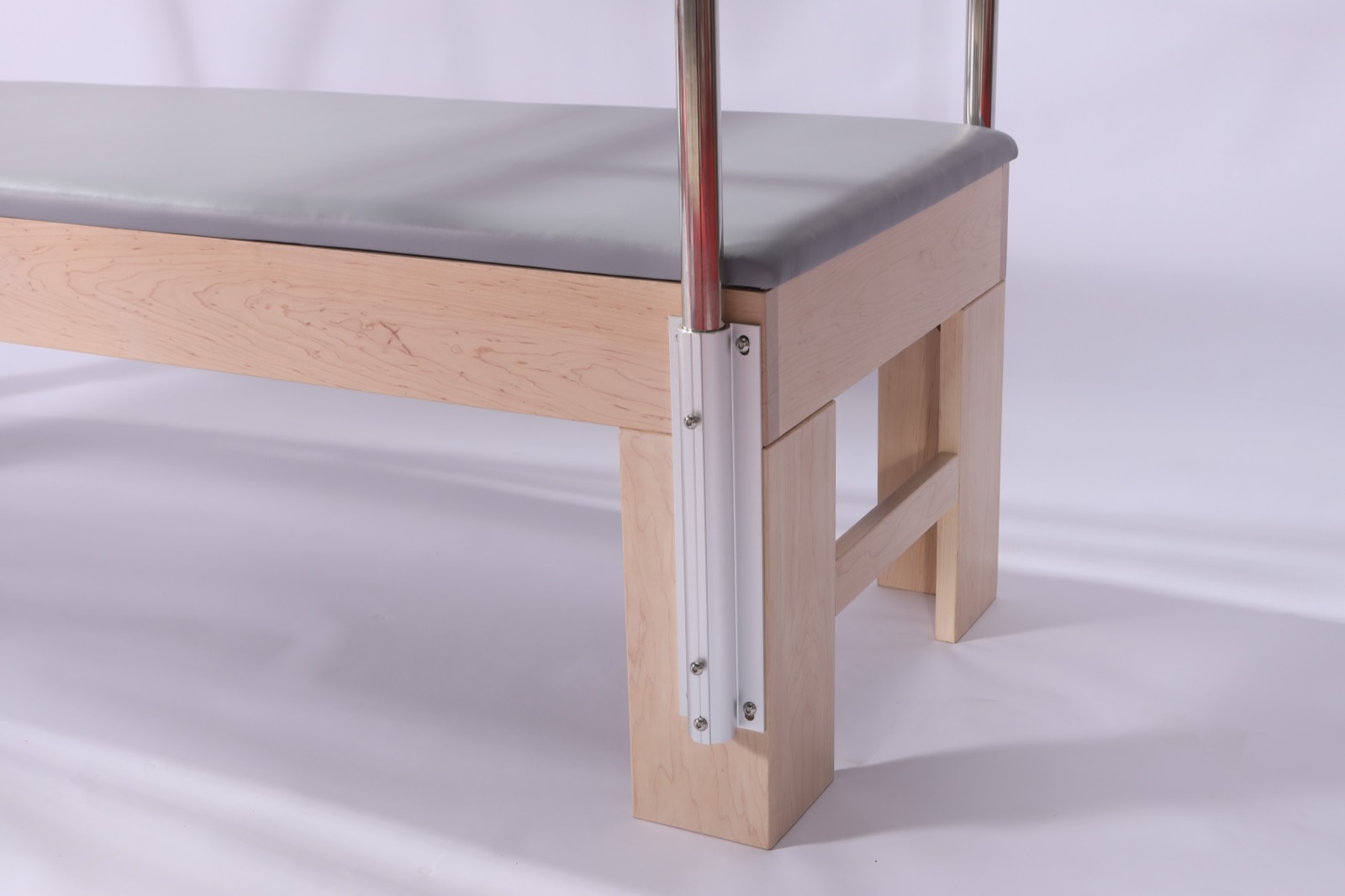
Upholstery should feel supportive without being too soft. Carriage movement should be smooth and predictable. Springs should offer practical resistance levels, not only a strong maximum setting. If the equipment will be used by mixed ability clients, predictable adjustment is more important than complex features.
Plan accessories and spare parts together
Accessories should match the actual service program. Jumpboards, boxes, straps, handles, loops, poles and tower springs may be useful, but they should be selected according to instructor capability and client needs. Buying every accessory at once can create clutter if the studio does not have a clear program.
Spare parts are also important for clinical settings because downtime affects appointment schedules. Buyers should confirm replacement springs, ropes, pulleys, wheels, loops and upholstery options before ordering. For distributors selling into clinics, a spare-part support plan can become a strong sales advantage.
Prepare a better inquiry for the supplier
A strong rehab equipment inquiry should include room size, ceiling height, expected use, client type, target quantity, destination country and whether the buyer needs logo or upholstery customization. If the room will be used for physiotherapy or clinical Pilates, explain the main teaching scenarios.
Lumina can then recommend whether a core reformer, half Cadillac reformer, full Cadillac or mixed studio package is more practical. The quotation conversation becomes faster when the supplier understands the application, not only the product name.
FAQ
What makes a reformer suitable for rehab or clinical Pilates? Stable structure, smooth carriage movement, practical resistance levels, comfortable support and easy instructor access are key factors.
Is a full Cadillac necessary for a rehab studio? Not always. Many rooms start with a reformer or half Cadillac, then add a full Cadillac when private programming expands.
What should physiotherapy buyers ask before ordering? Confirm room requirements, adjustability, accessory set, spare parts, packing, shipment inspection and after-sales support.
Conclusion and next step
Rehab Pilates equipment should be chosen around client needs, instructor workflow and room conditions. A practical setup may include core reformers, half Cadillac options, full Cadillac stations, selected accessories and a clear spare-part plan.
Building a clinical Pilates room or private rehab studio? Send Lumina your room details, target program and destination country. We can help compare reformer, half Cadillac and Cadillac options for quotation.
Key Takeaways
- Rehab Pilates equipment should support controlled movement and instructor access.
- Half Cadillac and full Cadillac options can expand private and clinical programming.
- Accessories and spare parts should be planned around the actual service model.