
This article is written for Lumina Pilates B2B buyers, with product links and inquiry paths adapted to Lumina's catalog.
Accessories shape the studio program
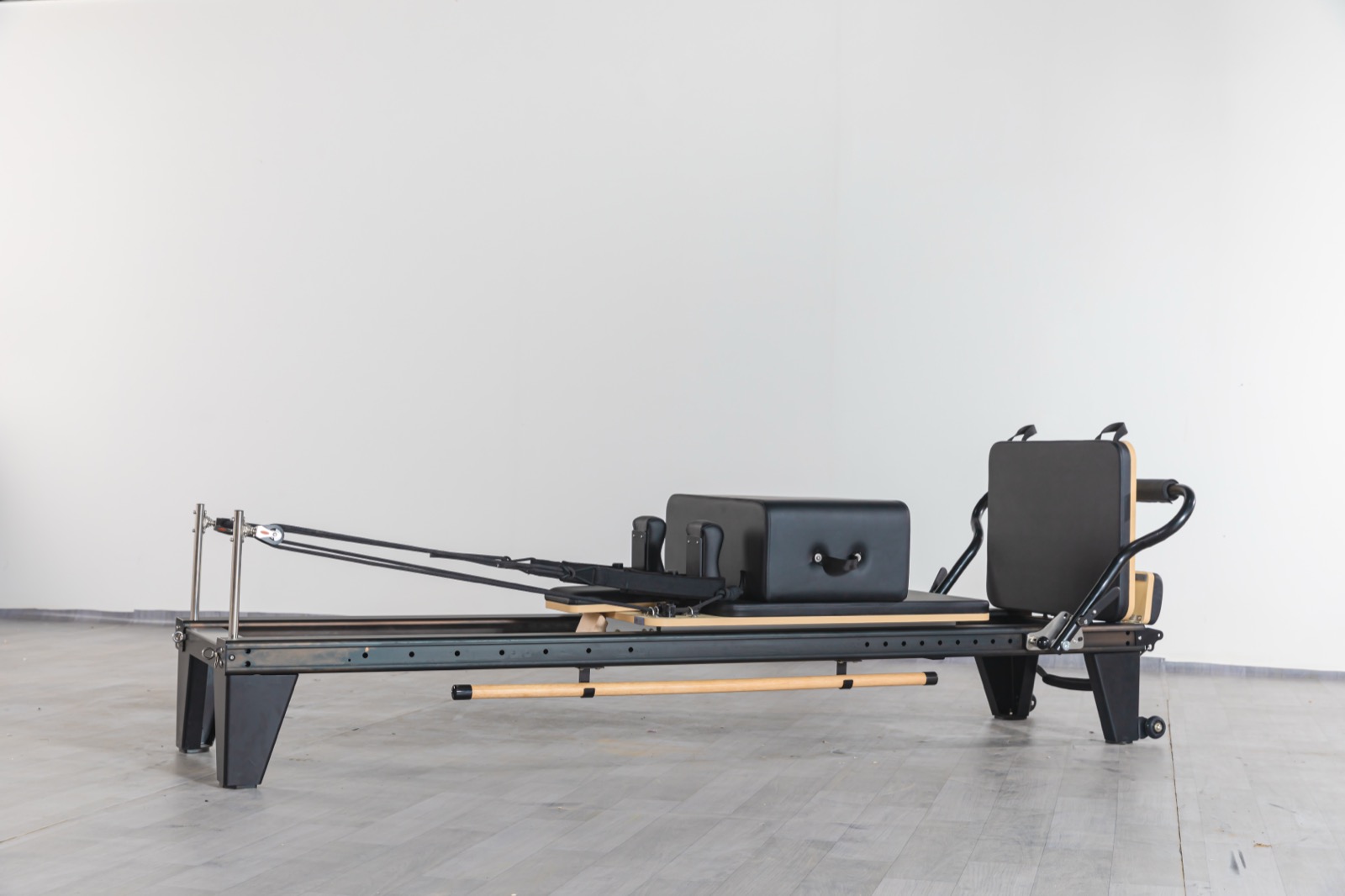
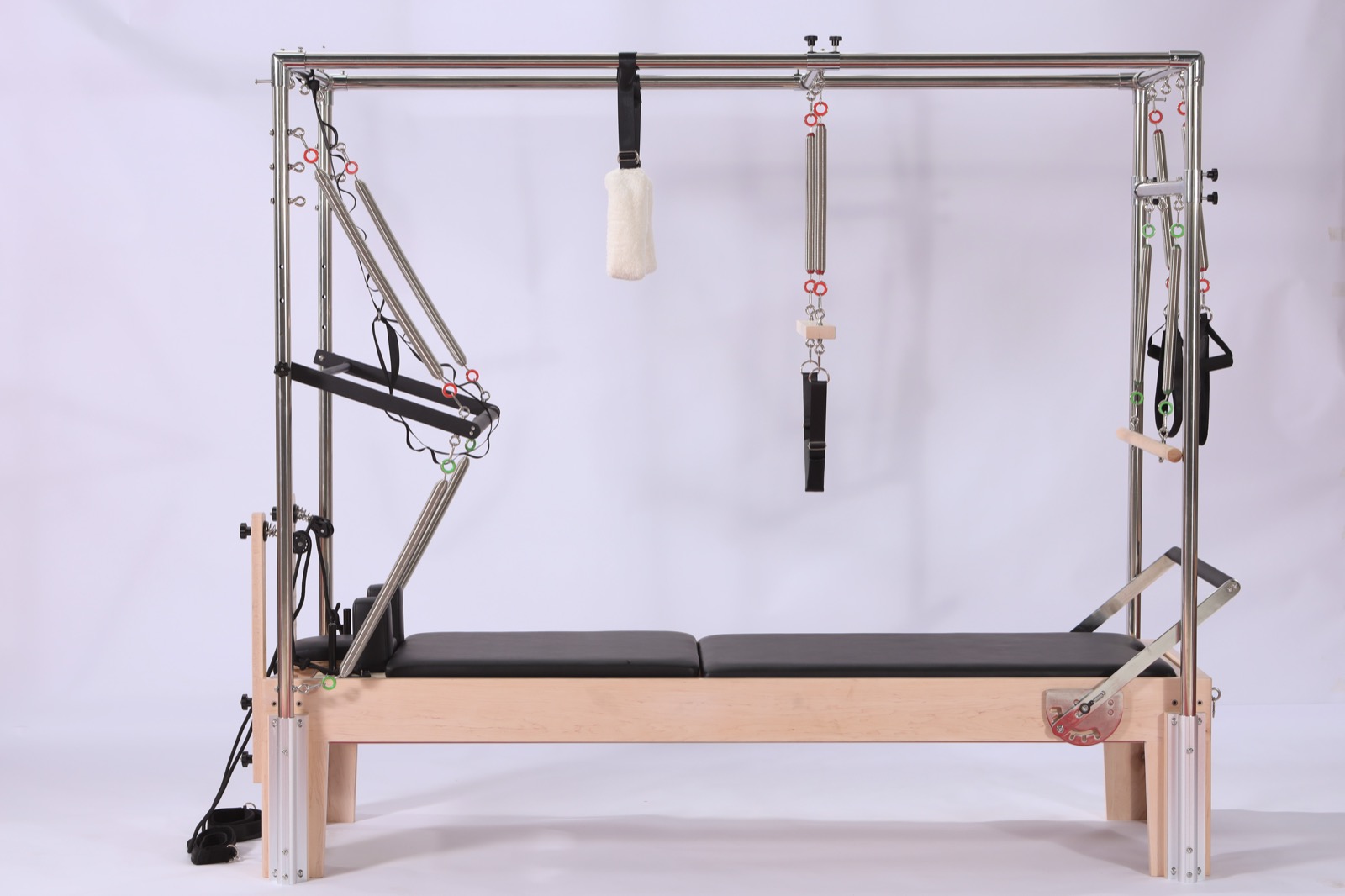
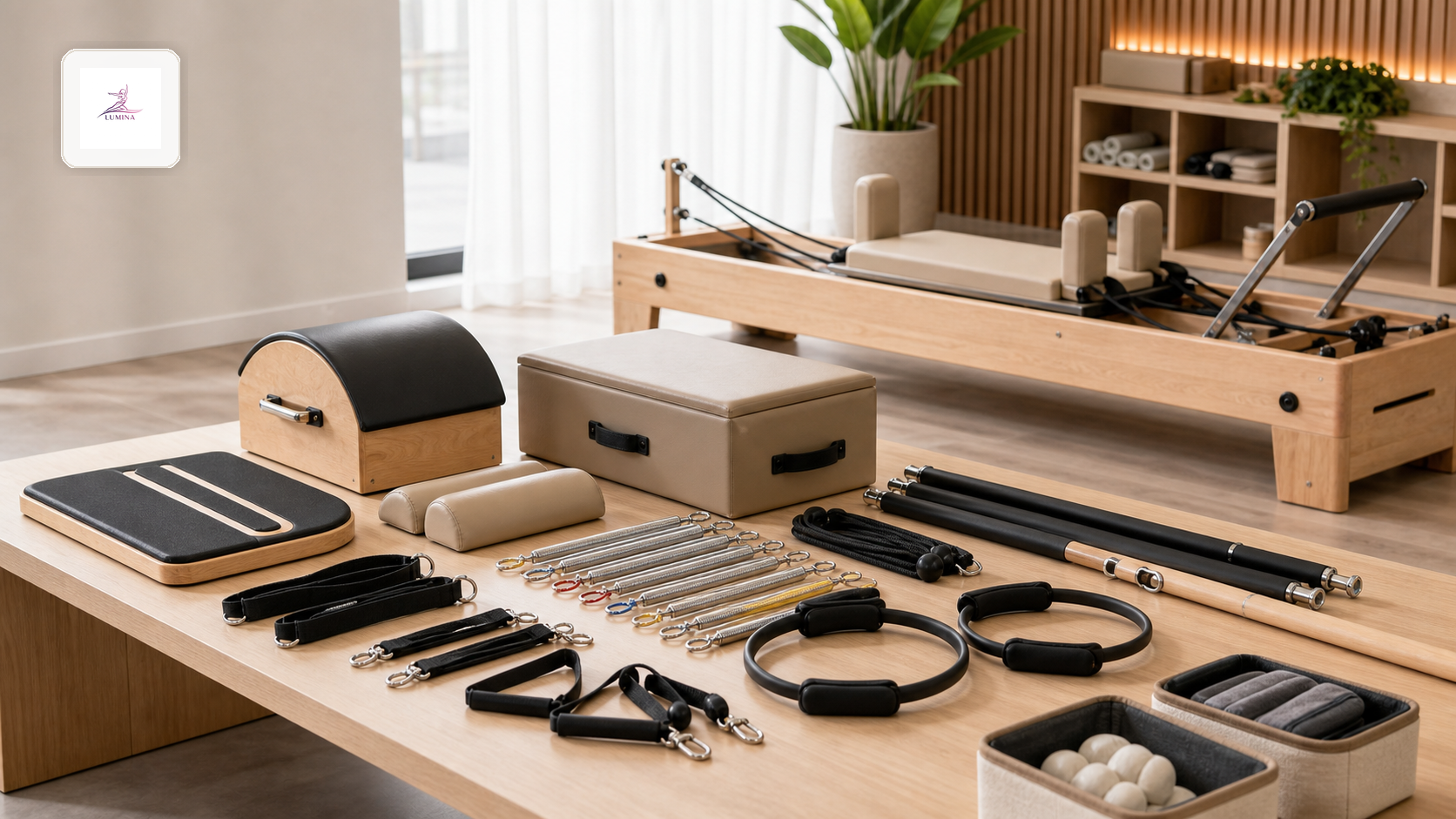
A reformer is the core machine, but accessories decide how flexible the studio program can become. Jump boards, sitting boxes, straps, loops, handles, poles, tower springs and small support props all affect class design, private training and rehabilitation-style sessions.
For distributors, accessory planning also affects after-sales service and repeat orders. A clear accessory package makes it easier to sell complete studio solutions instead of single machines only.
Match accessories to the service model
A group reformer studio may need a consistent accessory set for every bed: boxes, straps, loops and jump boards if cardio-style programming is part of the offer. A private studio may need fewer repeated items but more variety for assisted movement and premium sessions.
Rehabilitation-oriented rooms may need practical resistance choices, comfortable loops, stable boxes and selected tower accessories. Buying every accessory at once can create clutter, so the best package starts with the real teaching plan.
Check compatibility before ordering
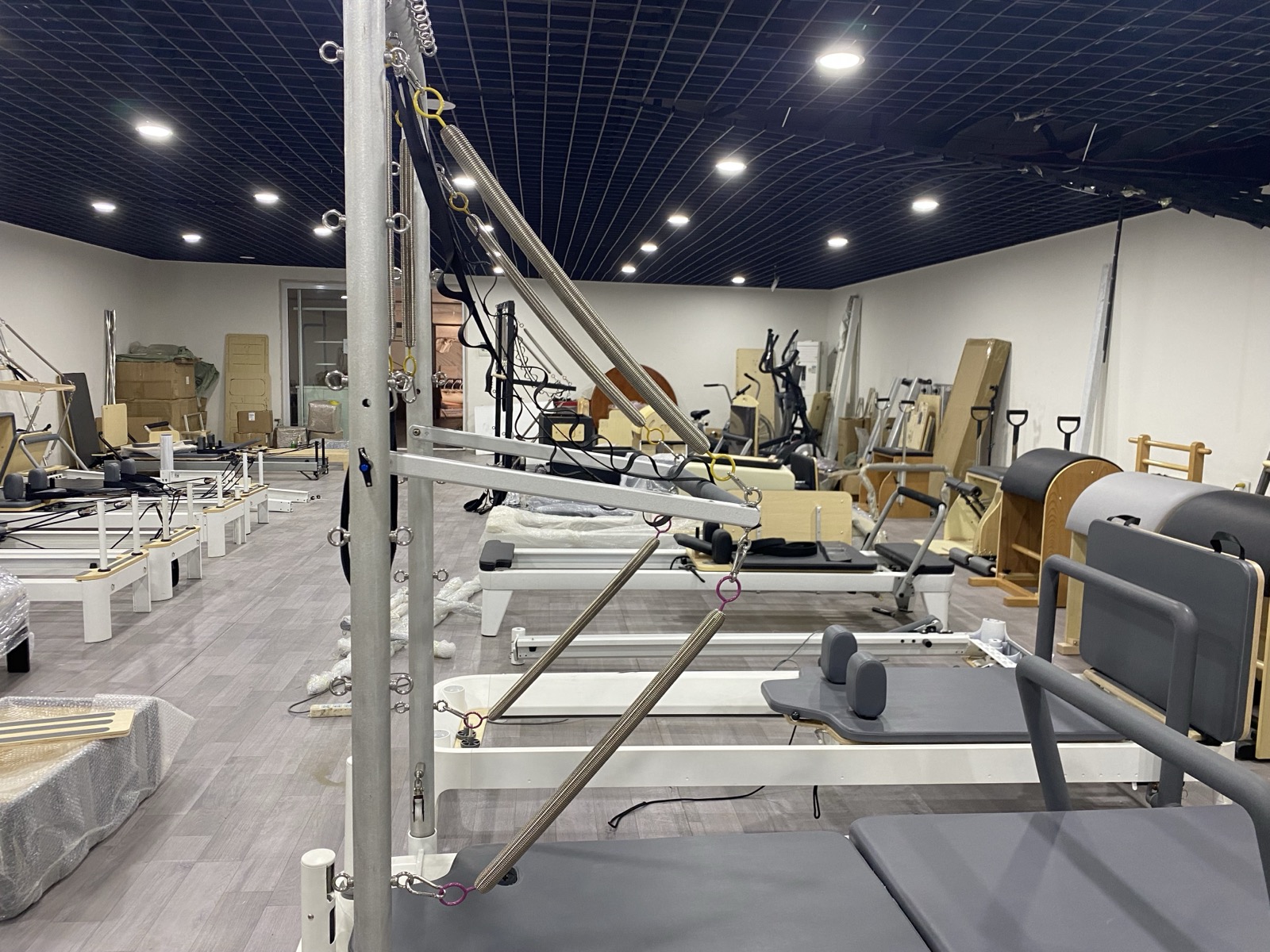
Accessories should match the selected reformer model. Buyers should confirm jump board fit, box dimensions, strap length, loop style, pole length, spring attachment points and tower compatibility. Small mismatches can create daily teaching friction.
For bulk orders, distributors should keep model-level accessory lists. A standard accessory set for each SKU makes quotation, packing, inventory and after-sales communication much easier.
Plan spare parts together with accessories
Some accessories are program tools, while others are wear-related service items. Springs, ropes, loops, straps, handles, wheels, pulleys and upholstery may need replacement after regular commercial use. Buyers should not wait until a part fails before asking how replacements are supplied.
A first order can include a basic spare-part kit, especially for distributors and multi-room studio projects. This reduces downtime and gives the local team confidence when supporting customers.
Packing and labeling matter for complete packages
When a studio package includes multiple reformers and accessories, packing organization becomes important. Accessories should be protected, grouped clearly and easy to identify after arrival. Missing or mixed accessories can delay installation and create unnecessary service issues.
Buyers should ask whether the supplier can provide packing photos, accessory lists and model-level records before shipment. This is especially useful for distributor orders with several product types in one container.
FAQ
Which accessories should a new Pilates studio order first? Most studios start with boxes, straps, loops and selected jump boards, then add specialized accessories based on the program.
Should every reformer have the same accessory set? For group classes, consistency is useful. For private rooms, a mixed accessory set may be more practical.
Are spare parts the same as accessories? Not exactly. Accessories support programming, while spare parts keep equipment operating. Some items, such as loops and springs, can belong to both planning categories.
Conclusion and next step
Pilates reformer accessories should be selected around program design, model compatibility, packing clarity and after-sales support. A good accessory plan helps studios teach better and helps distributors sell more complete solutions.
Building a studio package or distributor accessory set? Send Lumina your target models, quantity and preferred program style. We can help organize reformers, accessories and spare parts into a quotation-ready package.
Key Takeaways
- Accessories should match the studio program, not just the equipment list.
- Compatibility checks prevent jump board, box, strap and tower accessory mismatches.
- Accessory lists, spare-part kits and packing records make distributor orders easier to manage.