
This article is written for Lumina Pilates B2B buyers, with product links and inquiry paths adapted to Lumina's catalog.
Maintenance should be planned before the first order
Commercial Pilates equipment is used by many clients every week, so maintenance is part of the buying decision. Studios should not wait until a rope, spring or wheel becomes noisy before asking how replacement parts are supplied. A practical maintenance plan protects class experience, safety perception and long-term equipment value.
For distributors and importers, spare-part planning is even more important. Local customers expect quick answers when they need springs, ropes, loops, wheels, pulleys, upholstery or small hardware. A clear record of model names and part references makes after-sales communication much faster.
Build a simple weekly inspection routine
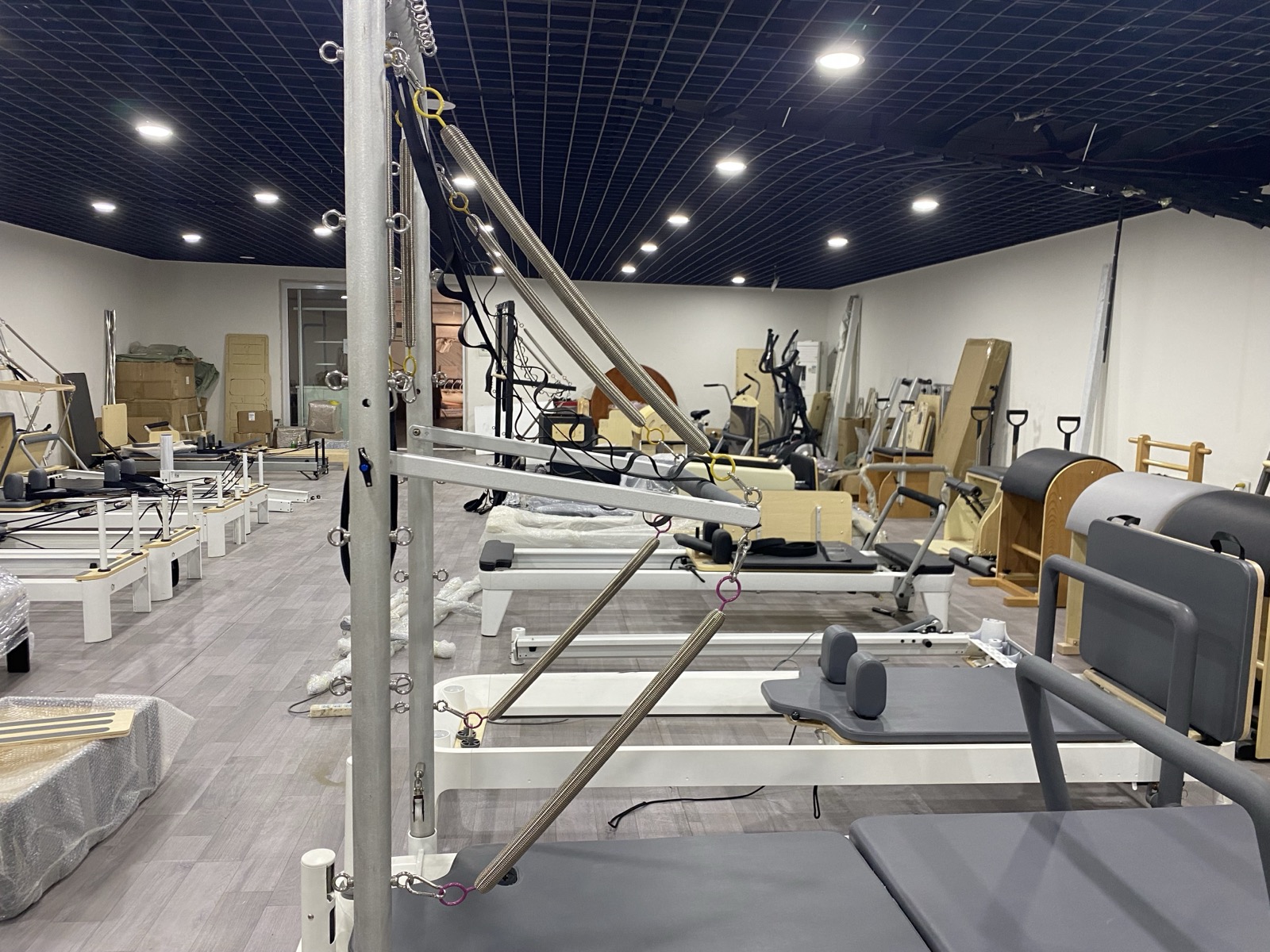
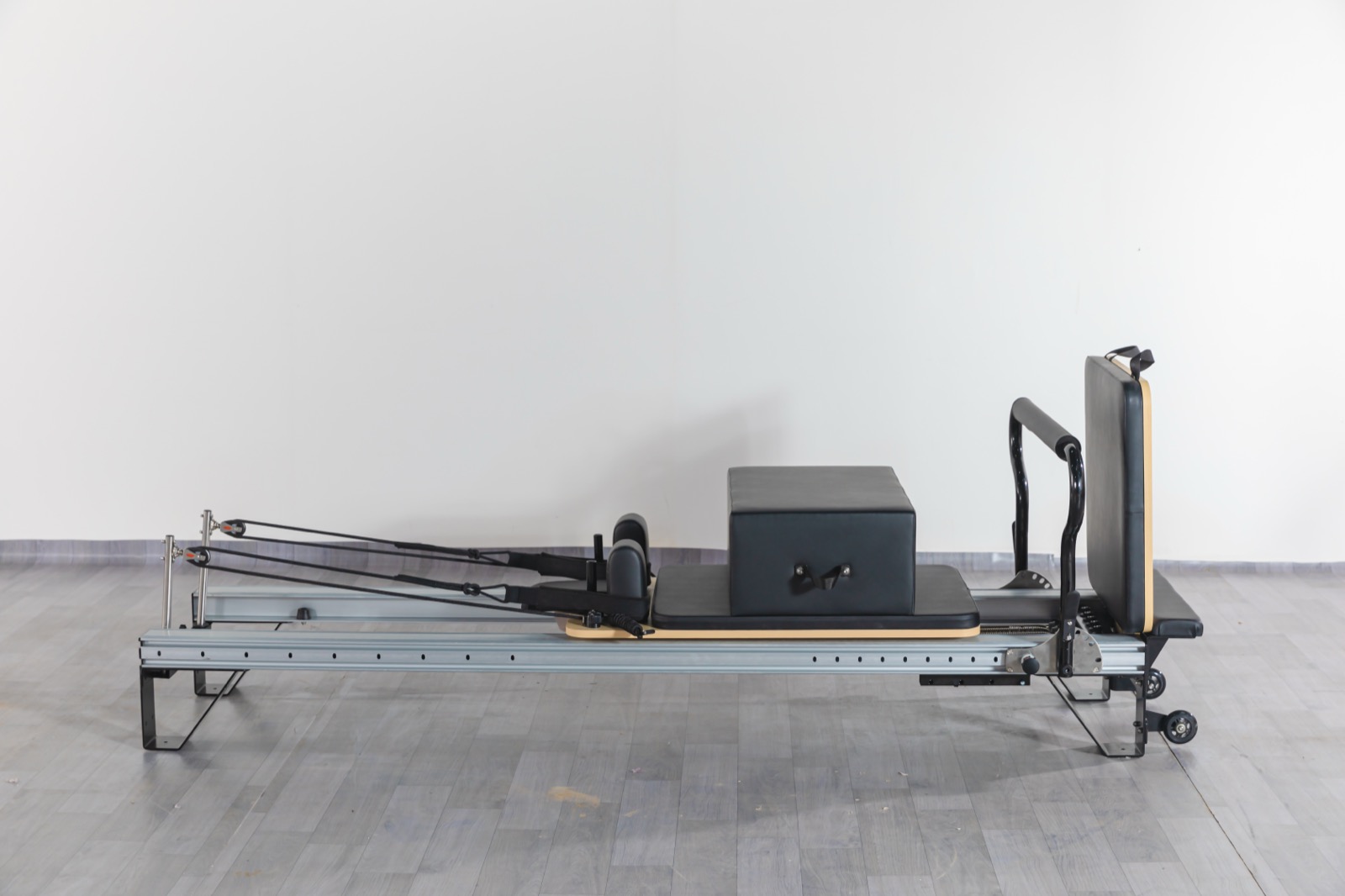
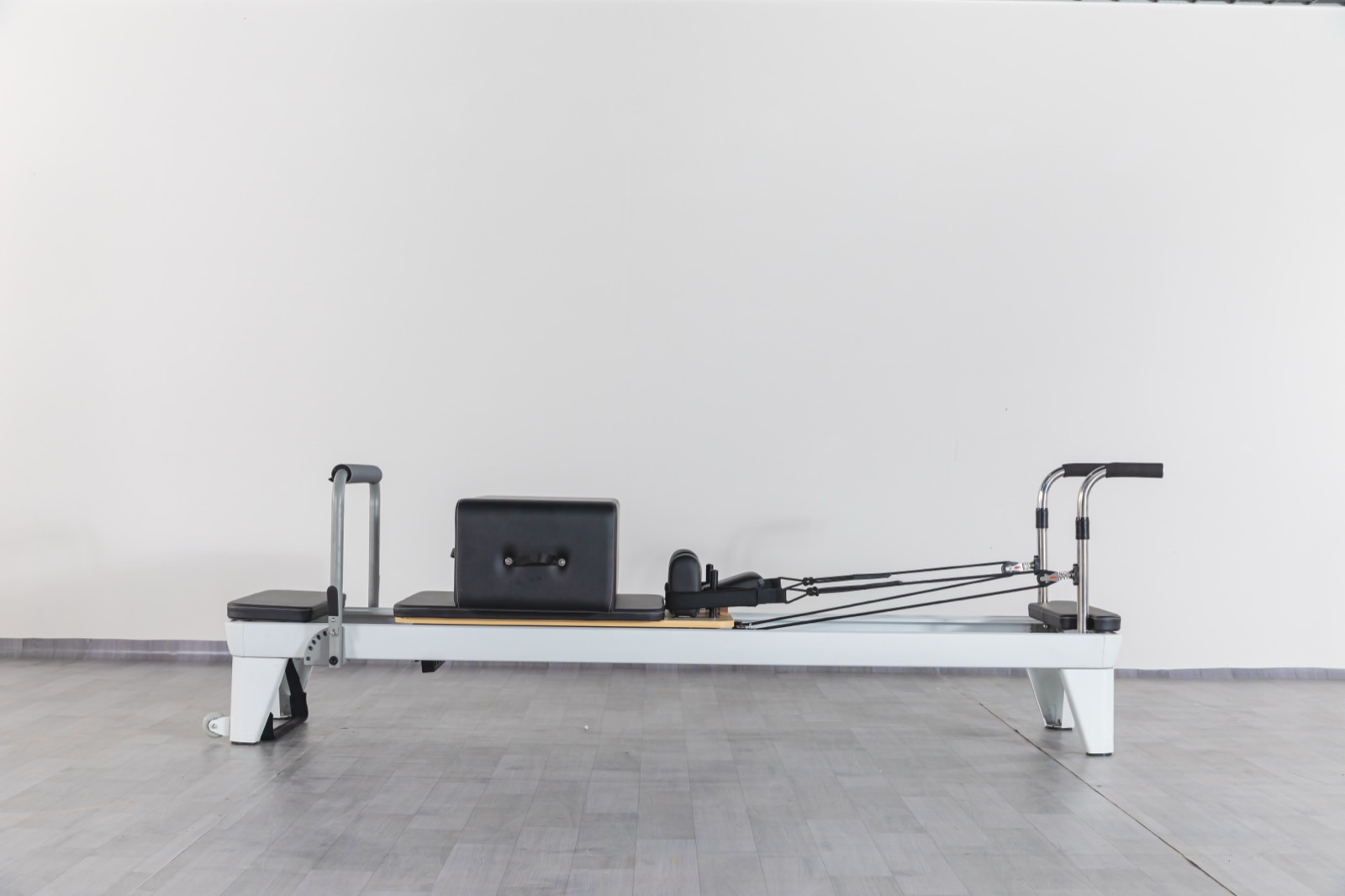
Studios should create a short weekly checklist covering the reformer frame, carriage movement, ropes, springs, pulleys, shoulder rests, headrest, footbar, upholstery and visible screws. The goal is not to make instructors do technical repair work. The goal is to notice early signs of wear before they interrupt classes.
Carriage movement should feel smooth and quiet. Ropes should not show fraying. Springs should be checked for deformation, unusual noise or inconsistent tension. Upholstery should be cleaned with suitable products and inspected for tears, loose stitching or excessive compression.
Know which parts are consumable
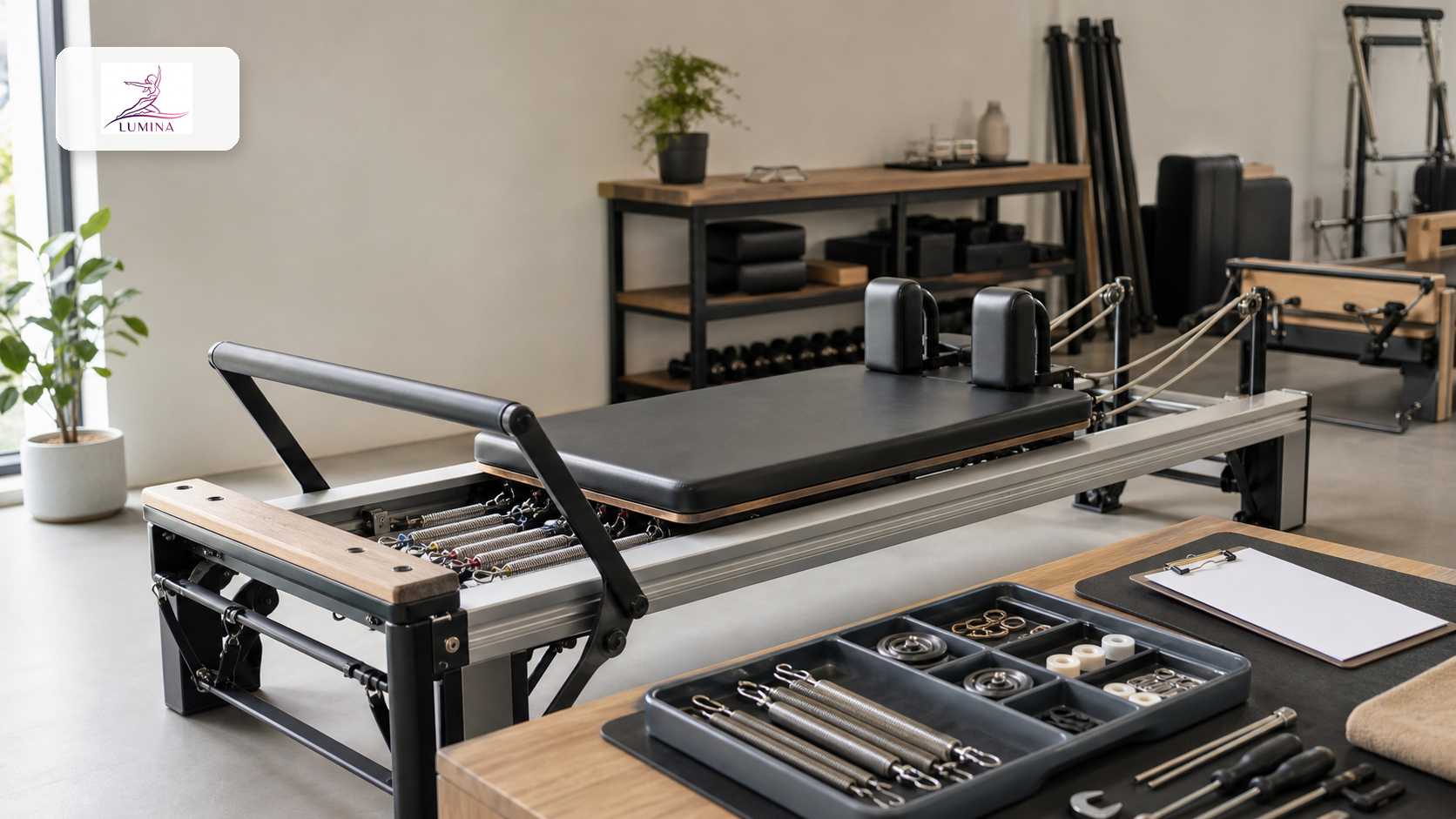
Some parts naturally need replacement after repeated commercial use. Springs, ropes, loops, carriage wheels and upholstery receive regular stress. Buyers should ask the supplier which parts are considered consumable, how they are identified, and whether replacement guidance can be provided after delivery.
For a studio package, it can be useful to order a small spare-part kit with the first shipment. For a distributor, it is better to keep a structured spare-part list for each model series. This prevents confusion when older customers request service months after the original sale.
Organize model records and after-sales evidence
Good maintenance records do not need to be complicated. A studio can record the model name, delivery date, inspection date, issue description, photos and action taken. If a problem needs supplier support, photos of the product label, damaged area and full equipment view help the factory understand the case quickly.
Distributors should keep order numbers, model slugs, accessory lists and customer installation notes. This is especially useful for private label projects where the local brand name may be different from the factory model name. Clear records reduce back-and-forth communication.
Supplier questions before confirming a bulk order
Before confirming a commercial Pilates equipment order, ask whether spare parts are available for the selected models, how replacement parts are packed, whether part photos or diagrams can be shared, and how after-sales cases should be reported. For customized products, confirm whether logo, upholstery color or frame finish affects replacement availability.
A lower purchase price may not be the better value if spare parts are difficult to source later. Studios and distributors should compare the full ownership experience: product quality, packing, factory testing, maintenance guidance and replacement support.
FAQ
How often should a Pilates studio inspect reformers? A simple weekly visual and movement check is practical for most studios, with deeper checks scheduled based on class volume.
Which Pilates reformer parts usually need replacement? Springs, ropes, loops, carriage wheels, pulleys and upholstery are common wear-related parts in commercial use.
Should spare parts be included in the first order? For studio packages and distributor orders, a basic spare-part kit can reduce downtime and make local service easier.
Conclusion and next step
Pilates equipment maintenance is not only a studio operations task. It is also a procurement question. Buyers should confirm routine inspection needs, consumable parts, model records and after-sales support before the first shipment arrives.
Planning a studio package or distributor order? Send Lumina your target models, quantity and destination country. We can help organize product selection together with practical spare-part and after-sales planning.
Key Takeaways
- Maintenance planning should be discussed before equipment is shipped.
- Springs, ropes, wheels, pulleys and upholstery need clear inspection routines.
- Model records and spare-part planning make after-sales support faster.