
This article is written for Lumina Pilates B2B buyers, with product links and inquiry paths adapted to Lumina's catalog.
A factory audit reduces bulk-order risk
Bulk Pilates equipment orders involve more risk than a single sample purchase. Distributors and studio chains need consistent product quality, stable packing, repeatable model specifications and clear after-sales support. A factory audit helps buyers understand whether a supplier can support long-term cooperation.
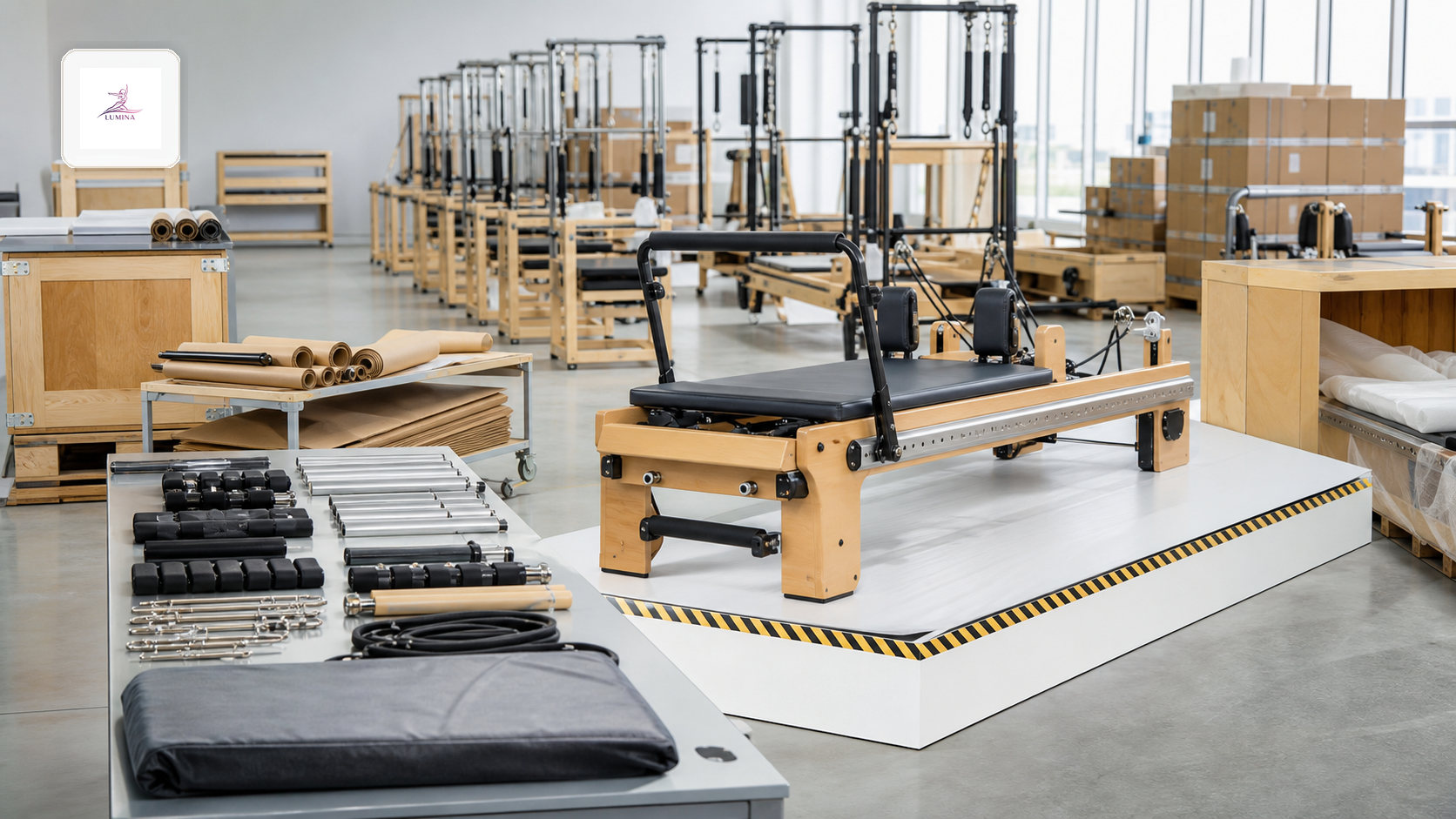
An audit does not need to be complicated. The buyer should review the factory's product range, production process, quality-control checkpoints, packing method, sample consistency and communication discipline. The goal is to find practical evidence, not only a low price.
Review product focus and model consistency
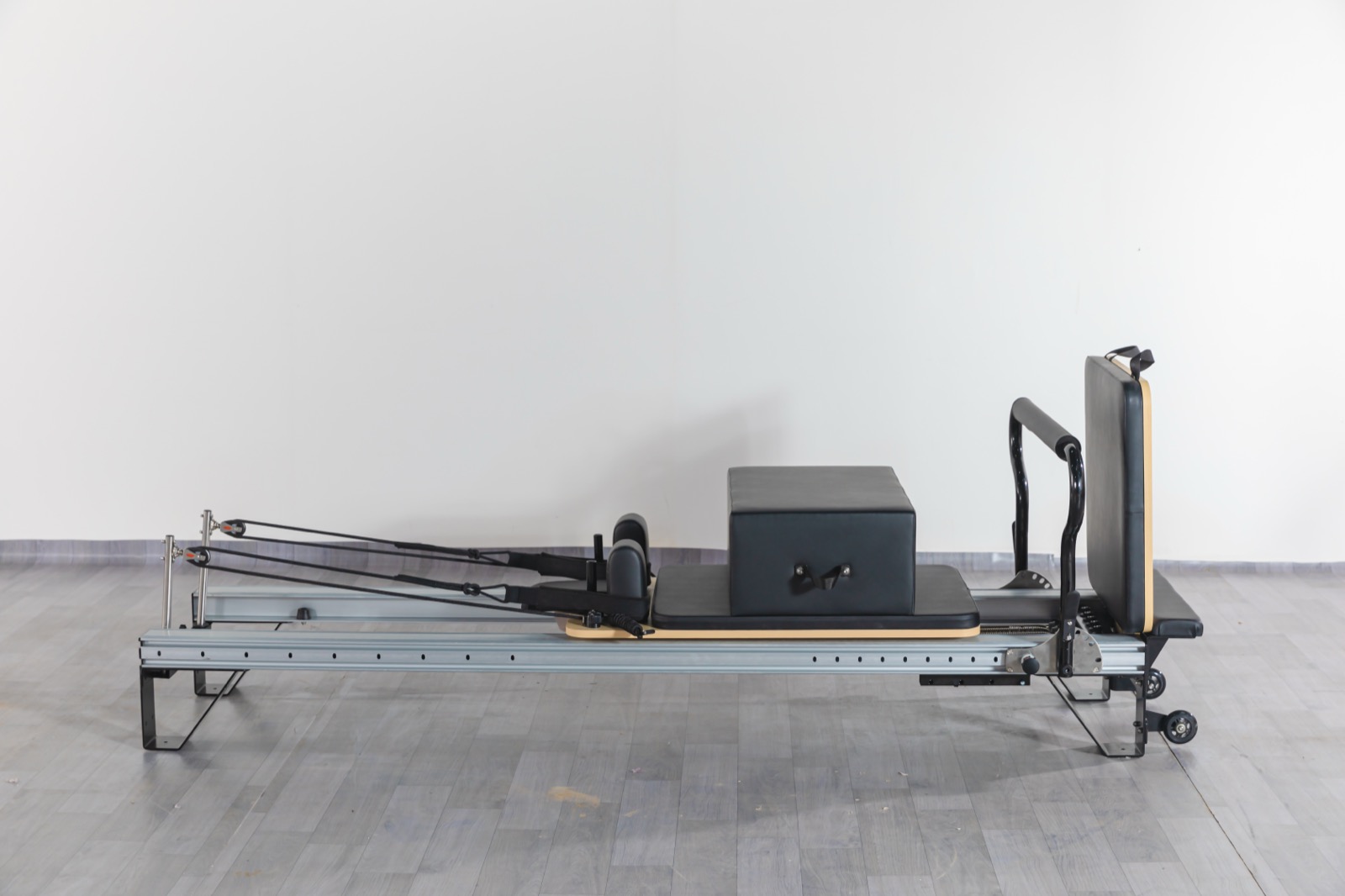
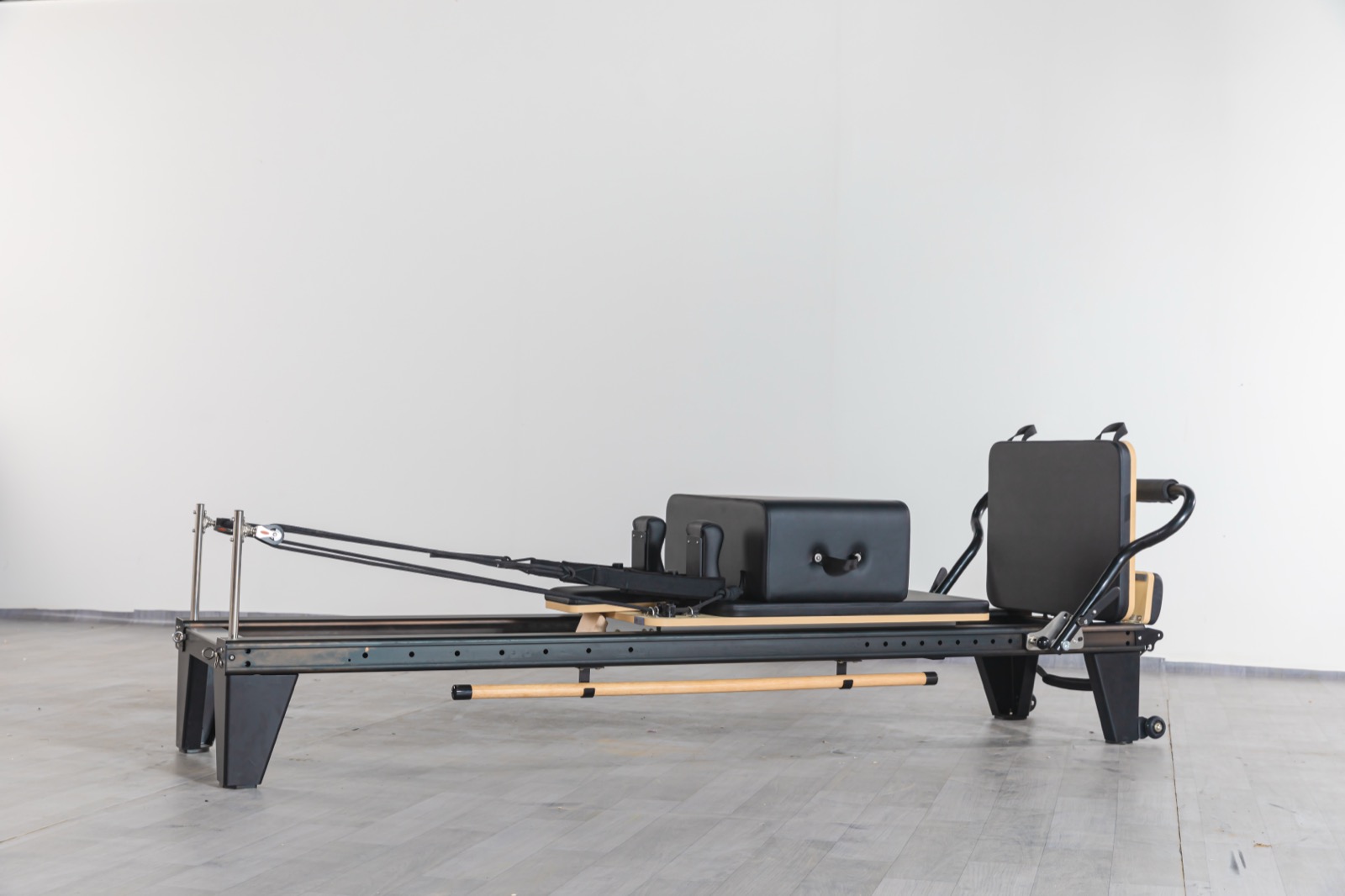
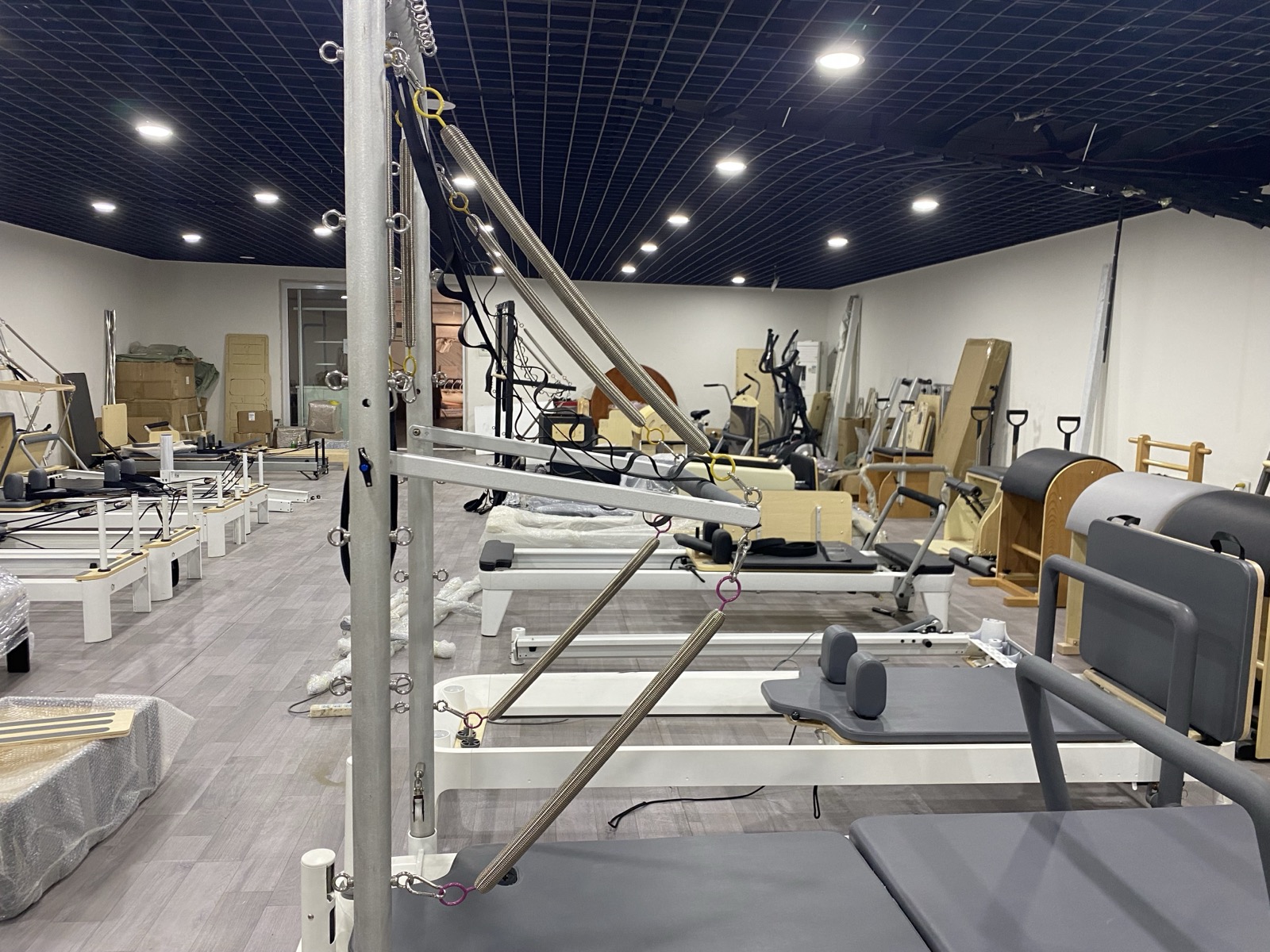
A strong Pilates equipment factory should be able to explain its reformer series, Cadillac options, frame materials, accessory sets and customization limits. Buyers should ask whether the supplier can keep specifications consistent across repeat orders and whether model names, photos and packing data are organized clearly.
Model consistency matters for distributors because customers may reorder the same product months later. If frame finish, upholstery color, spring resistance or accessory details change without notice, the local brand may face complaints.
Check production and quality-control checkpoints
Quality control should cover more than a final photo. Buyers can ask how the factory checks frame assembly, carriage movement, wheel tracking, rail alignment, rope path, spring set, pulley response, upholstery finish and visible hardware. These details affect the real studio experience.
For larger orders, request inspection photos or short videos before packing. A clear QC record helps both sides identify problems early. It also gives importers useful evidence when communicating with internal teams, dealers or end customers.
Inspect packing, labeling and shipment readiness
Export packing is part of product quality. Reformer frames, tower parts, wood surfaces, upholstery, springs and accessories should be protected against movement, compression and moisture during transport. Buyers should confirm carton or crate dimensions, gross weight, accessory placement and labeling method.
For multi-model orders, packing organization becomes even more important. A distributor should be able to identify which carton belongs to which model and whether accessories are complete. Poor packing records can create expensive after-sales problems after arrival.
Evaluate customization and spare-part support
OEM and private label projects need clear boundaries. Ask which parts can be customized, including logo, upholstery color, frame color, packaging and accessory configuration. Then confirm whether those custom choices affect future replacement parts or repeat-order lead time.
Spare-part support should be discussed before the purchase order. Springs, ropes, loops, wheels, pulleys, handles and upholstery are common service items. A supplier that can organize spare parts clearly is more useful for long-term distributor relationships.
FAQ
What should buyers check before placing a bulk Pilates equipment order? Review model consistency, production process, QC checkpoints, packing method, spare parts and customization limits.
Is a sample order enough before a bulk order? A sample helps, but buyers should still confirm whether the factory can repeat the same quality and packing standard across a larger order.
Why is packing important for Pilates reformers? Reformers include wood, metal, upholstery, springs and accessories, so poor packing can cause cosmetic damage, missing parts or installation delays.
Conclusion and next step
A Pilates equipment factory audit should focus on practical evidence: product focus, stable specifications, QC records, export packing, customization control and spare-part support. These points help buyers compare suppliers beyond unit price.
Preparing a bulk order or distributor product line? Send Lumina your target models, quantity, destination country and customization needs. We can organize model comparison, packing details and quotation support for the next step.
Key Takeaways
- Bulk buyers should audit factory capability, product consistency and QC checkpoints before ordering.
- Packing records and shipment organization can prevent expensive after-sales problems.
- Customization and spare-part support should be confirmed before private label production.