
This article is written for Lumina Pilates B2B buyers, with product links and inquiry paths adapted to Lumina's catalog.
Private label production is more than adding a logo
OEM/ODM Pilates equipment can help distributors, importers and studio chains build a recognizable product line. But private label production is more than placing a logo on a reformer. Buyers need to confirm model selection, frame material, upholstery color, logo position, packaging, accessories, inspection requirements and shipment preparation.
This guide explains how to approach OEM/ODM cooperation with a Pilates equipment manufacturer in a practical way. It is written for buyers who want customization but also need stable quality and clear communication.
What OEM and ODM mean for Pilates equipment
OEM usually means producing equipment according to the buyer's brand requirements. ODM may include supplier-supported design, model selection or configuration adjustment based on existing factory capability. In Pilates equipment, common customization includes logo placement, upholstery color, frame finish, packaging, accessory set and sometimes size or structure adjustments.
For most buyers, it is better to start with proven models and customize brand presentation first. Deep structural customization should be discussed carefully because it affects testing, production time, cost and spare parts.
Start with product positioning and sales channel
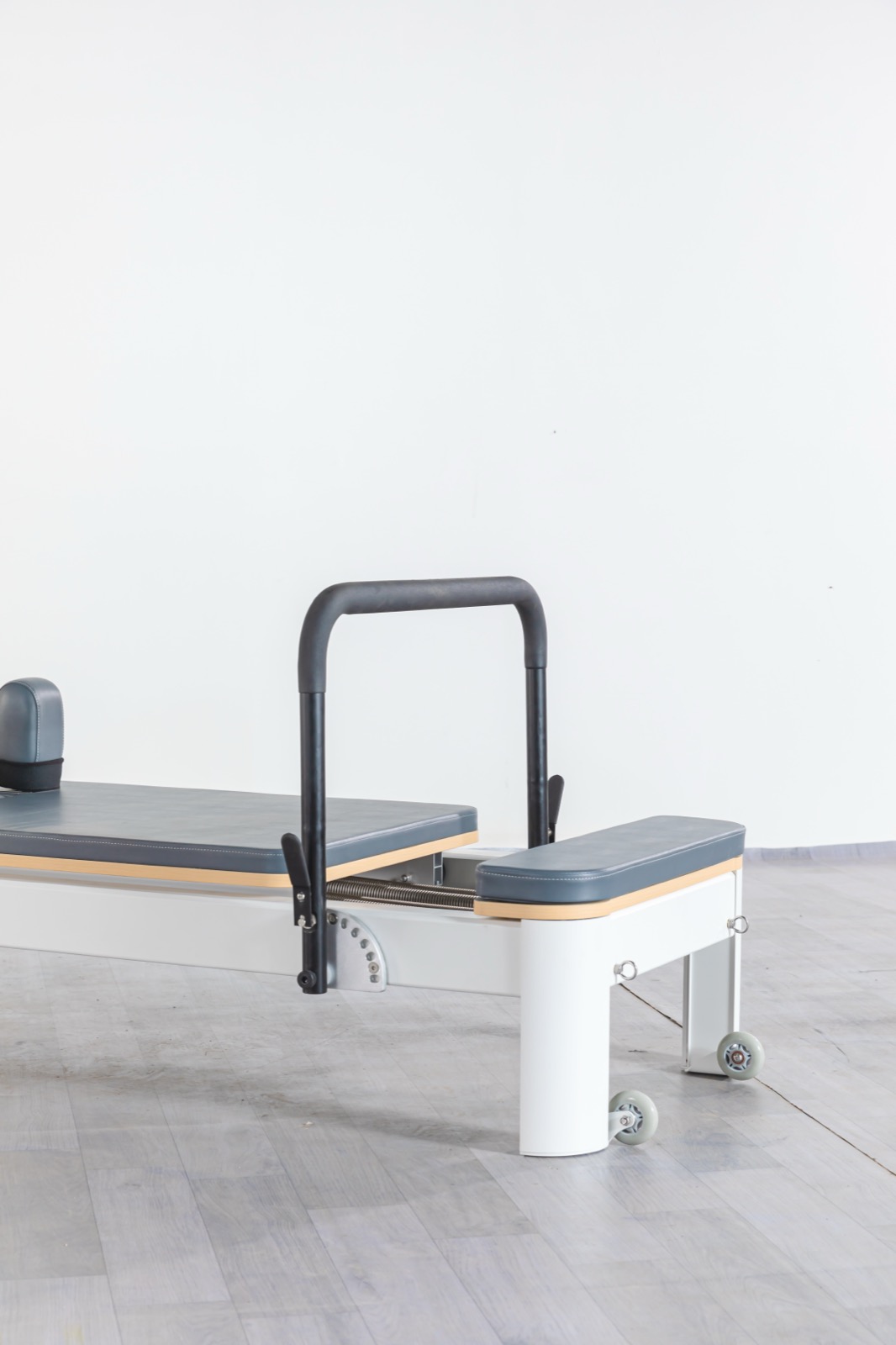
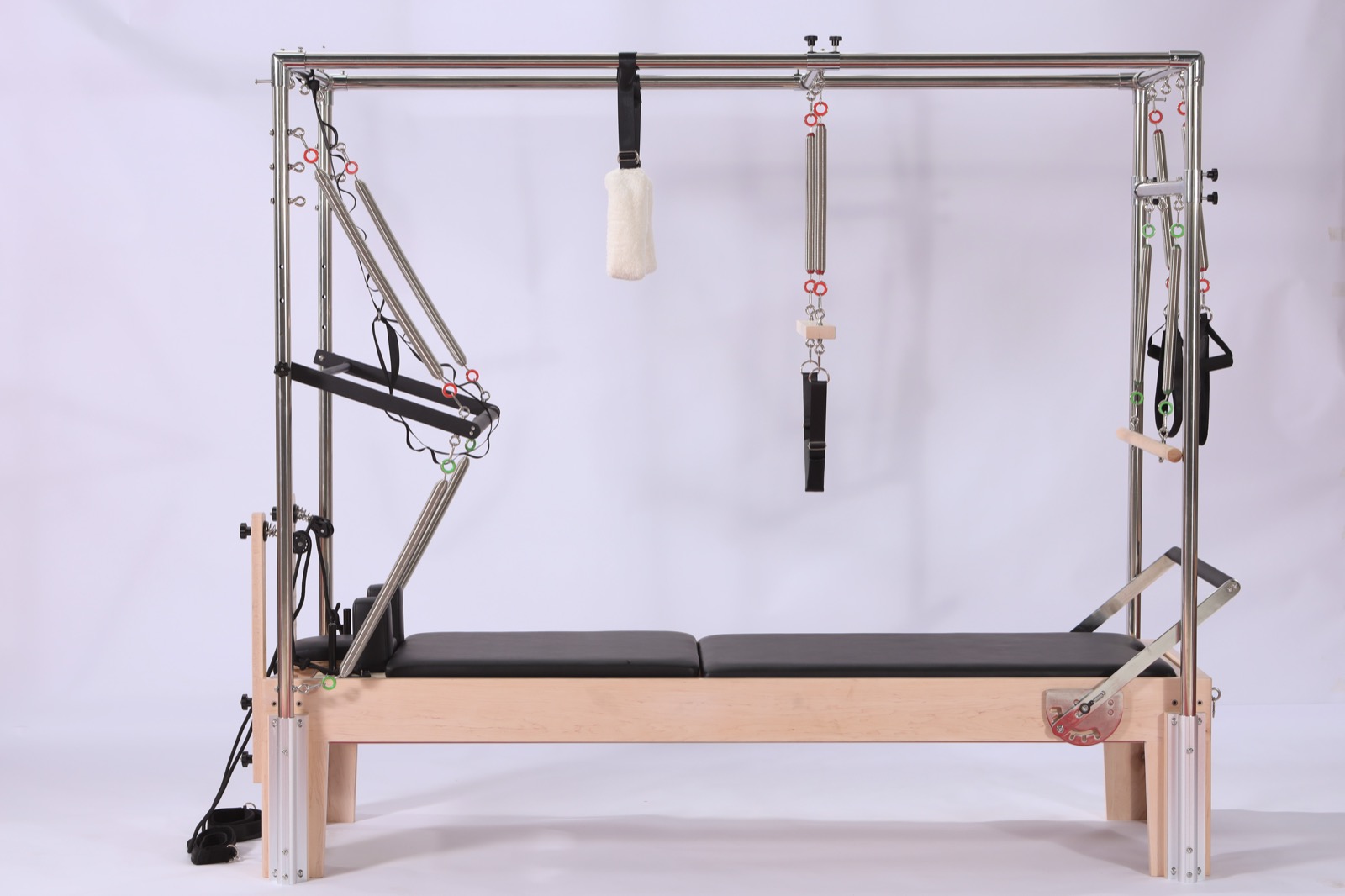
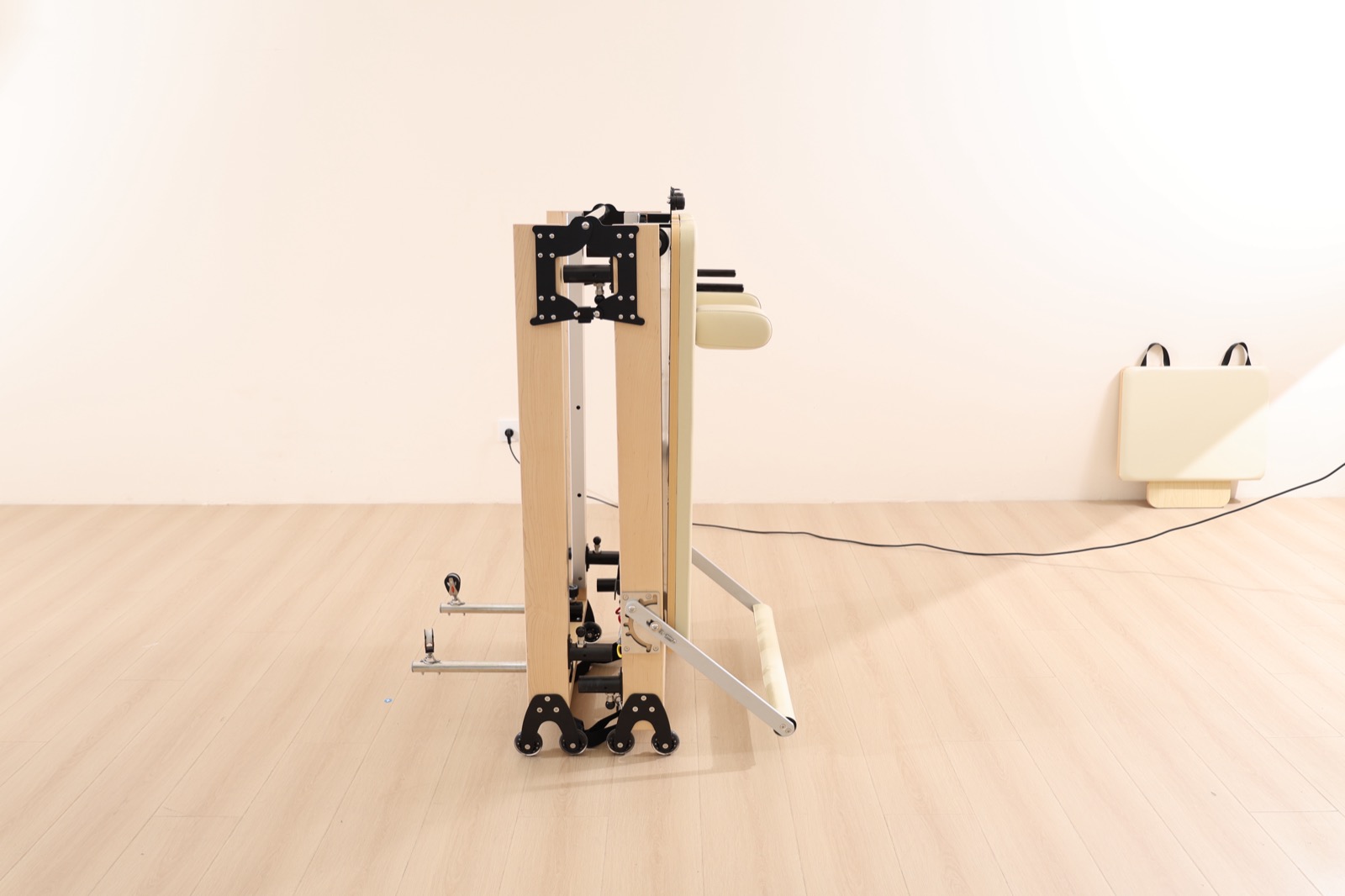
Before asking for private label pricing, define the product line. A distributor may need an entry reformer, a premium wood reformer, a folding reformer and a Cadillac option. A studio chain may need consistent reformers for multiple rooms. An online brand may need attractive packaging and clear model naming.
Lumina usually asks buyers to define target market, price band, sales channel and expected order quantity. This helps avoid random customization that looks good in a sample but is difficult to sell or replenish.
Confirm logo, color, packaging and sample approval
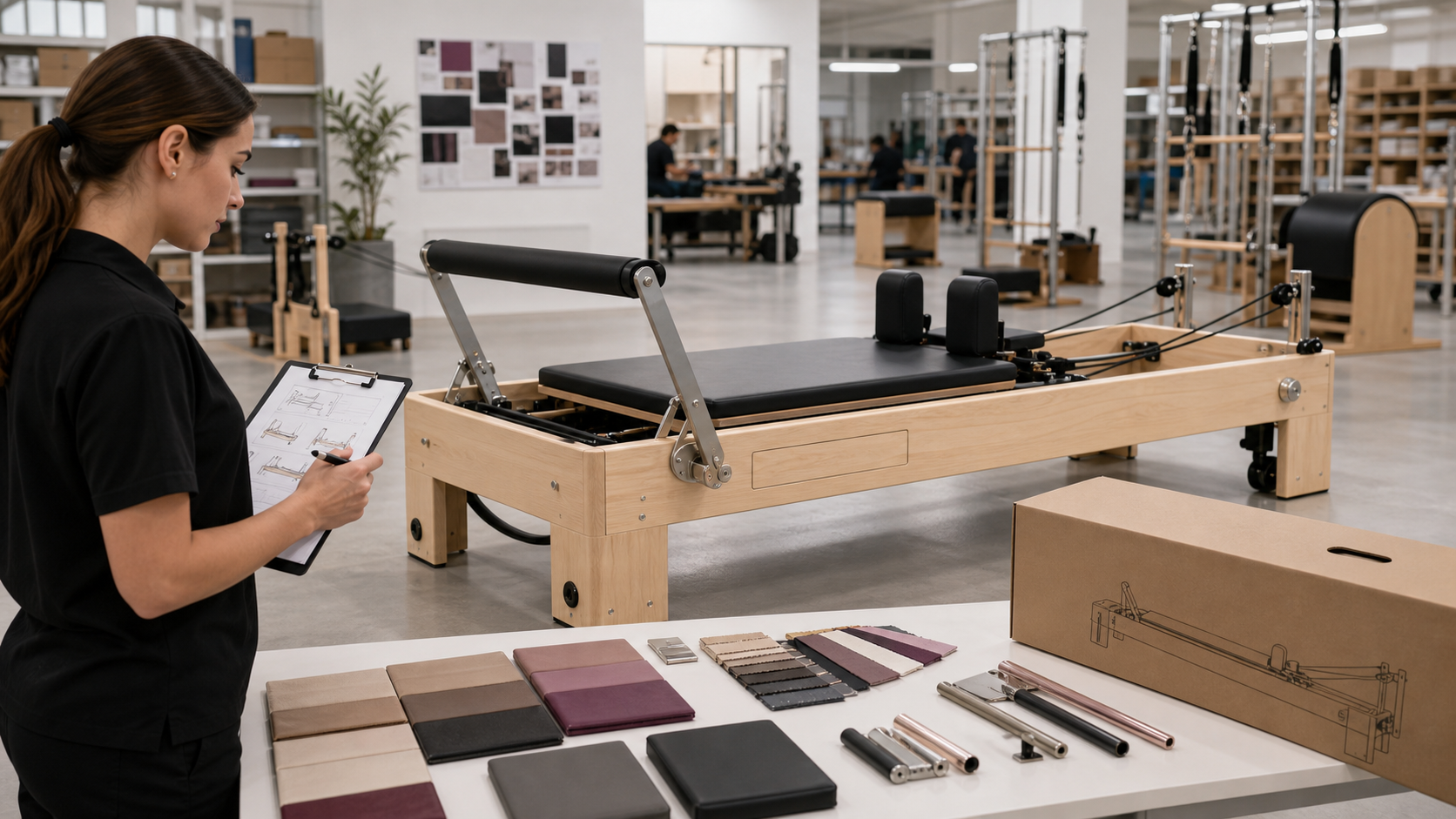
Logo customization should be confirmed with artwork files, placement, size and method. Buyers should check whether the logo appears on the frame, upholstery, carriage, product label, carton or manual. Color customization should include upholstery color, frame finish and any visible accessory color.
Packaging is often overlooked. For distributor sales, cartons, labels and protection materials influence customer experience and after-sales claims. For a new private label program, a sample or pre-production confirmation can reduce risk. The buyer should review appearance, logo placement, carriage movement, spring set, accessories and packing.
Testing, shipment inspection and avoiding over-customization
Factory testing should be documented where possible with photos or short videos. Shipment inspection should include visible surface checks, component count, accessory confirmation and carton labeling. If the buyer has specific requirements, share them before production starts rather than after packing.
New buyers sometimes want to customize every detail at once. This can increase cost, lead time and communication risk. A safer path is to start with a stable model, customize brand-visible elements, test market response, then expand the product line. This is especially important for distributors who need repeatable supply.
FAQ
What can be customized on a Pilates reformer? Common options include logo, upholstery color, frame finish, packaging, labels, accessory set and sometimes configuration details.
Is private label suitable for small orders? It depends on the customization type. Logo and color may be easier than structural changes. MOQ should be confirmed with the supplier.
How do I reduce OEM production risk? Prepare clear artwork, product requirements, color references, packaging expectations, inspection checklist and destination information.
Conclusion and next step
OEM/ODM Pilates equipment works best when customization is connected to a real market plan. Buyers should define product positioning, confirm brand details, review samples, and request factory testing and shipment inspection. A reliable supplier should help you make the product easier to sell, not just more customized.
Building a private label Pilates equipment line? Send Lumina your logo, target models, quantity, destination country and packaging needs. We can help prepare a practical OEM/ODM proposal.
Key Takeaways
- Private label planning should start with product positioning and sales channel.
- Logo, color, packaging and sample approval should be confirmed before production.
- Stable models with brand-visible customization reduce first-order risk.