
This article is written for Lumina Pilates B2B buyers, with product links and inquiry paths adapted to Lumina's catalog.
Quick answer for distributors and importers
To buy Pilates equipment in bulk from a manufacturer, prepare a model list, target quantity, destination country, buyer type, customization needs and required delivery timeline. Then confirm product specifications, packing data, quality control process, spare parts and after-sales communication before finalizing the order.
A serious bulk inquiry should not only ask for the lowest price. It should help the manufacturer understand whether the order is for a Pilates studio, distributor catalog, dealer channel, hotel wellness project, rehab clinic or private label brand. The better the requirement brief, the more useful the quotation will be.
Define the buyer role before choosing products
A studio owner may need an equipment package for one room. A distributor needs repeatable SKUs and replenishment planning. An importer may need packing size, gross weight and container planning. A private label brand needs logo, color, packaging and product naming support. These are different buying paths.
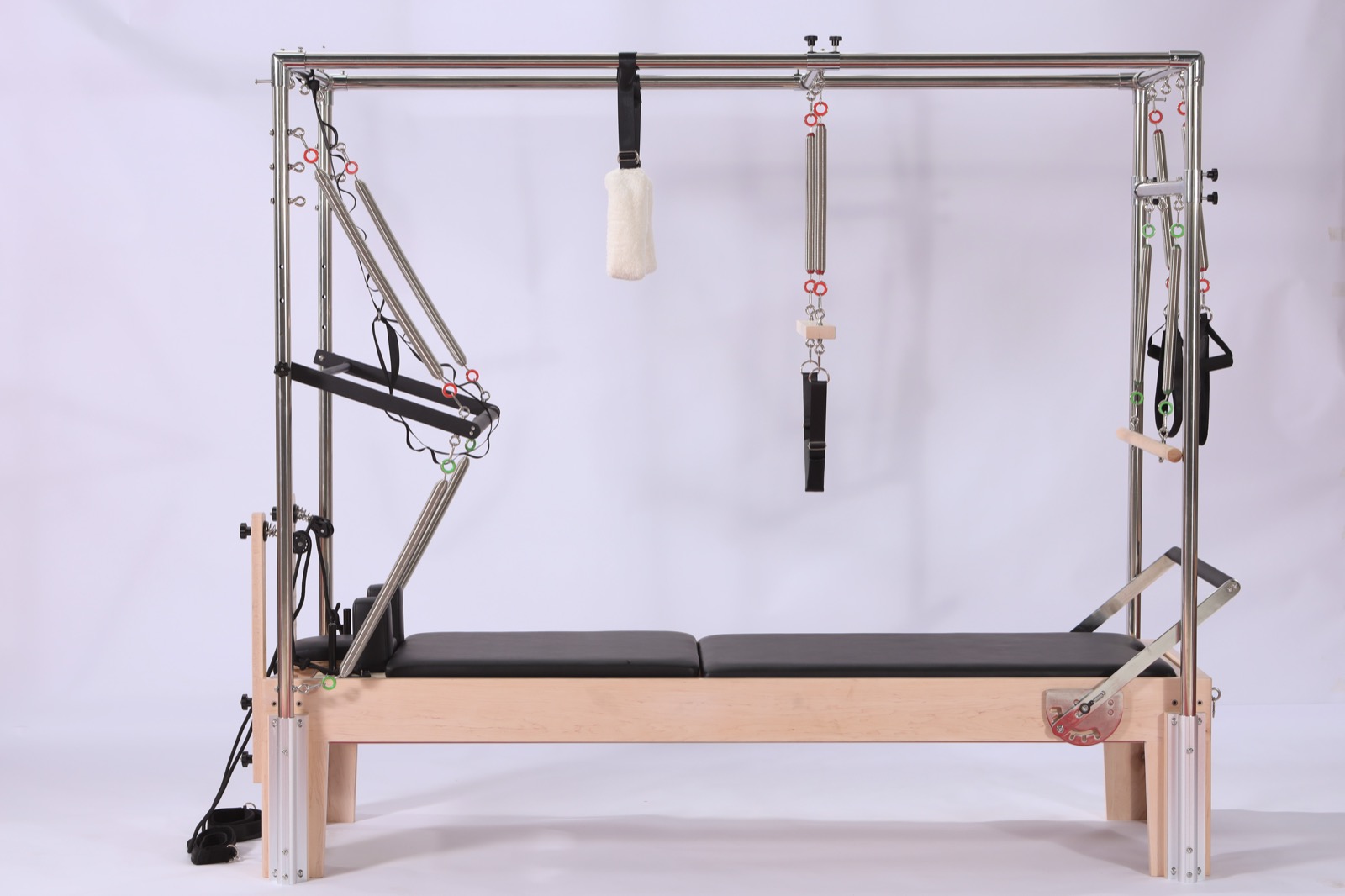
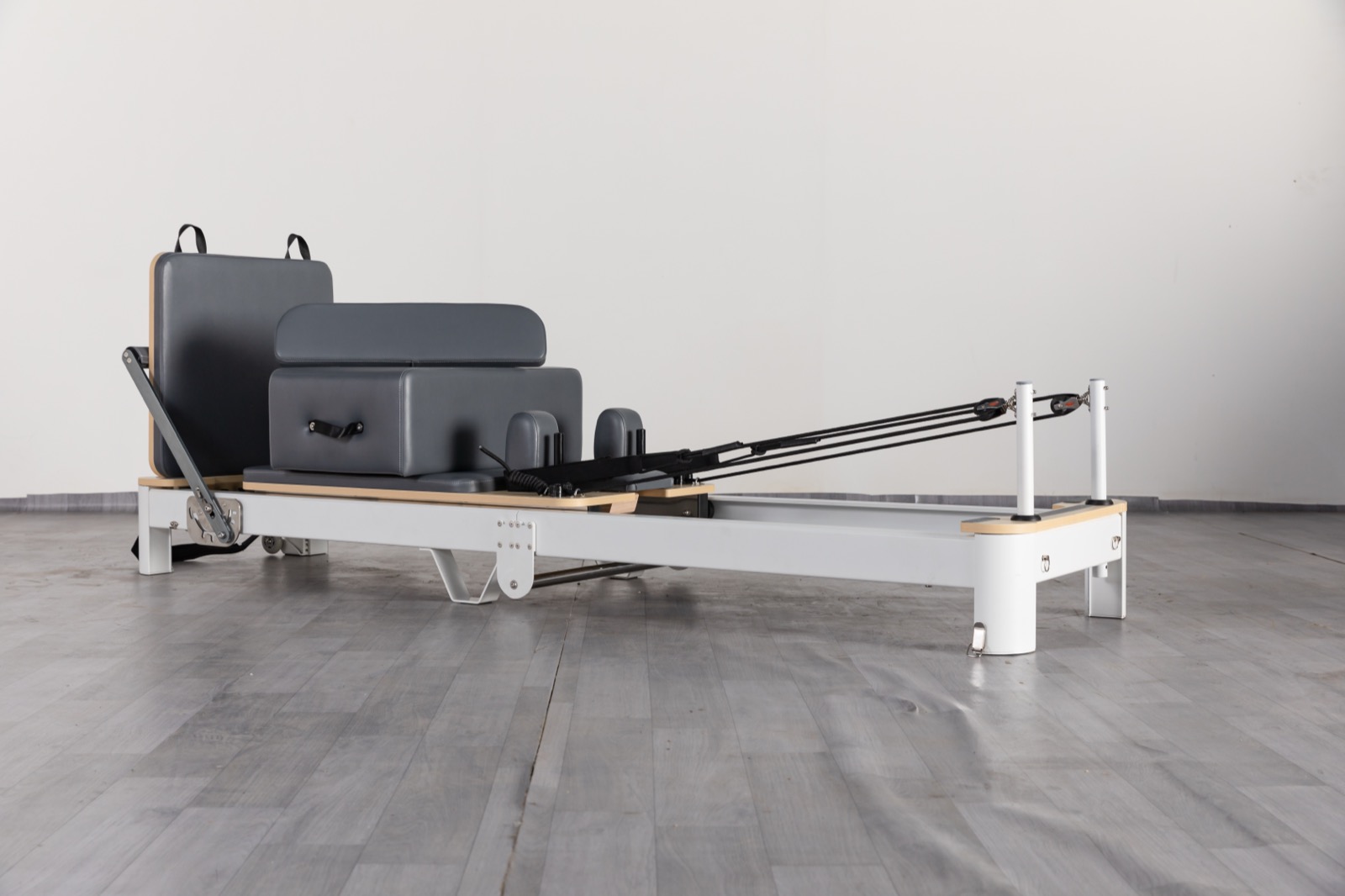
Before asking for a quote, decide whether you need standard reformers, wood reformers, aluminum folding reformers, tower reformers, Cadillac equipment, chairs, barrels, spine correctors, reformer boxes, jump boards or accessories. A mixed order can be efficient, but only if the model list is organized.
Prepare a quote-ready specification request
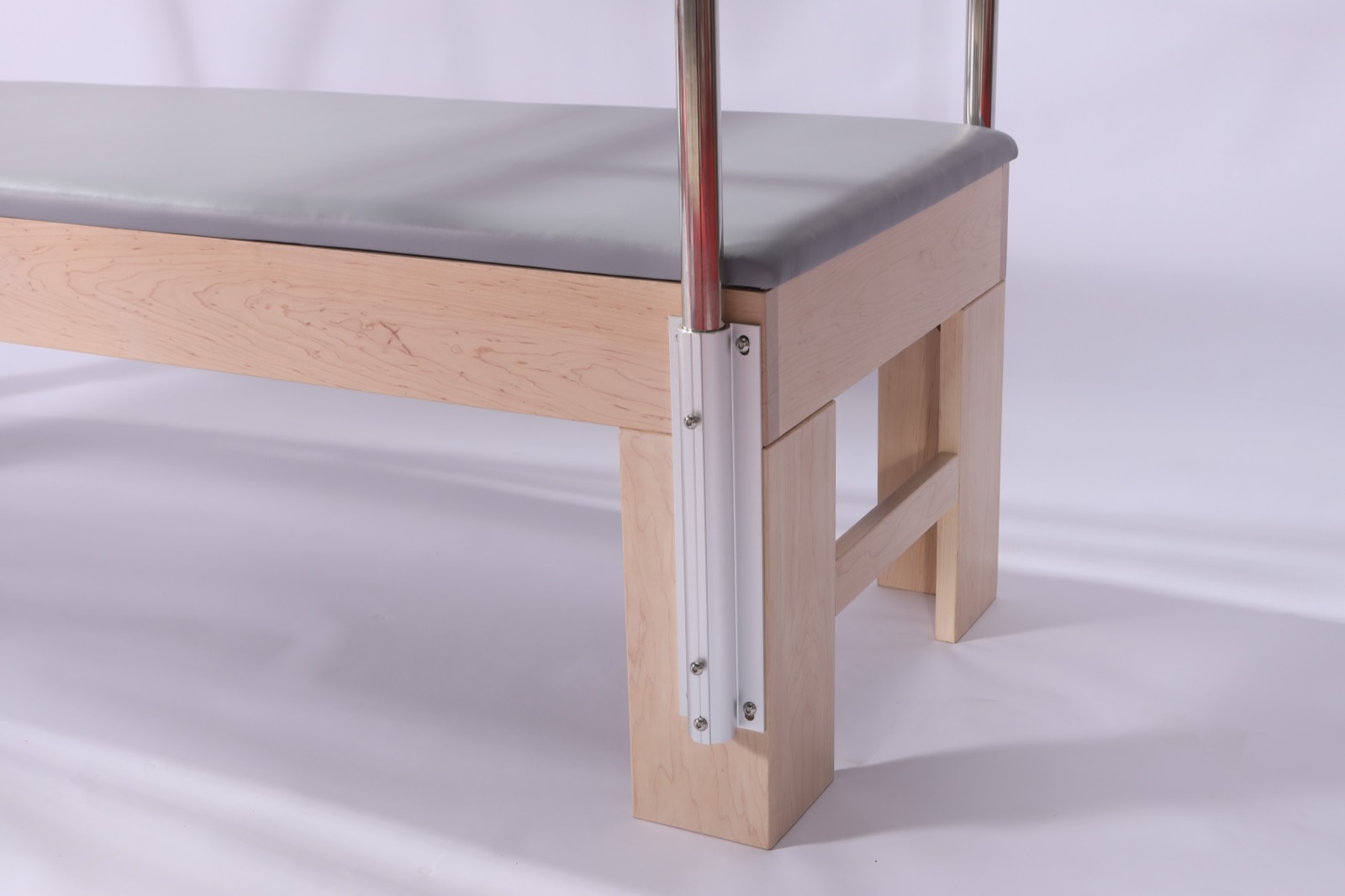
Ask for product size, packing size, net weight, gross weight, frame material, upholstery material, spring system, rope system, pulley system, wheel or moving system, accessory list and packaging details. If exact information is not visible on the website, request a specification sheet before confirming the order.
Use safe wording when information is not confirmed. For example, final dimensions depend on product model and configuration, spring resistance can be adjusted based on studio needs, and bulk quote is available upon request based on quantity and customization requirements.
Review OEM and private label needs early
If you need custom logo Pilates equipment, discuss it before price confirmation. Logo placement, upholstery color, frame color, carton labels, packaging design and product naming can affect production planning. Waiting until the order is almost ready may create delays.
Private label buyers should ask for a repeatable model structure. This includes model names, SKU logic, product images, packing records and spare-part references. A distributor's local team needs clear information to sell and support the products after arrival.
Check factory supply and quality control
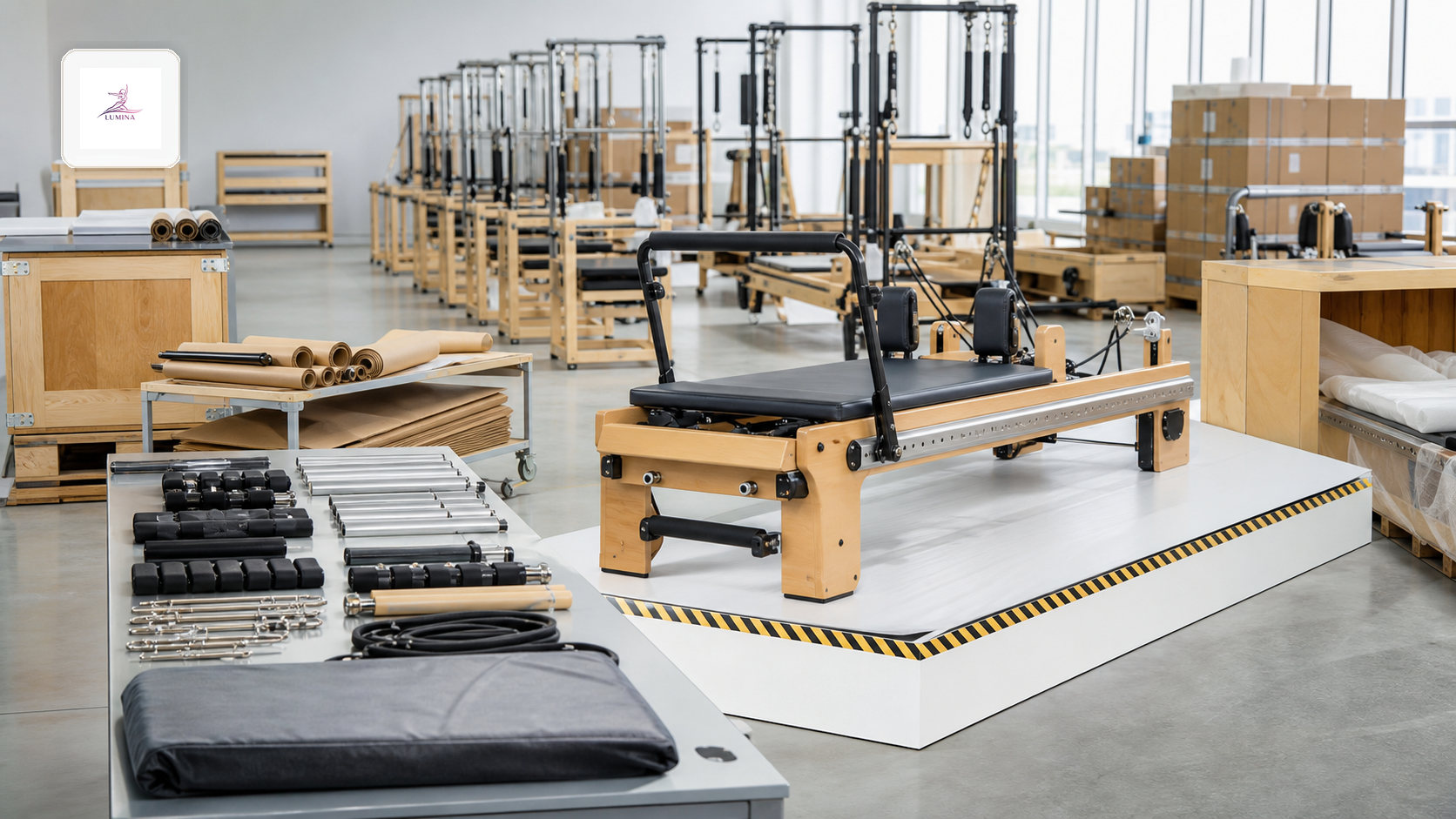
A manufacturer should be able to explain how products are checked before packing. For Pilates reformers, important checks include frame stability, carriage movement, rail alignment, spring connections, ropes, pulleys, upholstery, accessories and surface finish. For Cadillac and tower models, height, alignment and accessory completeness are also important.
Factory experience does not need to be exaggerated. Buyers simply need a clear process: requirement confirmation, product selection, customization confirmation, production, QC, packing and export support. This helps reduce risk for overseas buyers who cannot inspect every step in person.
Plan export packing and shipping communication
Export packing should protect the equipment during international transport. Buyers should ask how reformers, chairs, barrels, Cadillac frames, accessories and spare parts are organized. Packing photos, carton labels and accessory lists can make receiving and installation easier.
For bulk orders, confirm whether the manufacturer can support packing size, gross weight and shipment discussion. Final shipping cost depends on order volume, destination and logistics arrangement, so avoid making assumptions before the packing data is confirmed.
Step-by-step bulk order workflow
Step one is requirement sorting. The buyer should decide whether the order is for a single studio, a studio chain, a distributor warehouse, a hotel wellness project or a private label product launch. This decision changes the equipment mix. A single studio may need a complete room package. A distributor may need a narrower product line that can be reordered frequently. A hotel project may need fewer models but stronger visual consistency.
Step two is product range selection. Start with the core reformer category, then decide whether to add Cadillac equipment, chairs, ladder barrels, spine correctors, reformer boxes, jump boards and accessories. The most common mistake is requesting too many unrelated products before the buyer knows the room size, training style or local market demand. A clear first order is often easier to manage than a large experimental list.
Step three is specification confirmation. For each selected model, ask for frame material, upholstery material, product size, packing size, net weight, gross weight, spring system, rope system, pulley system, wheel or moving system, accessory list, color options, logo method and packaging. If a value is not confirmed, mark it as pending instead of guessing. This protects both the buyer and the supplier from misunderstanding.
Step four is customization review. If the order needs custom logo, private label packaging, upholstery color or frame finish, confirm feasibility before production. Send logo files in the correct format and provide color references where needed. If the buyer needs a new product name or carton label, confirm the final text carefully because labels are often used during receiving, warehouse storage and local delivery.
Step five is quotation review. A useful quote should make clear which models, quantities, customization items and packing assumptions are included. If the quote only shows a unit price, ask follow-up questions before moving forward. Bulk Pilates equipment has enough components that accessory and packing details can affect the real project cost.
Step six is production and quality communication. The buyer should confirm what progress updates or photos can be provided, which QC points are checked, and how accessories are counted. For reformers, this includes frame stability, carriage movement, springs, ropes, pulleys and upholstery. For Cadillac and tower products, vertical frame alignment and accessory completeness are also important.
Step seven is export packing and shipment preparation. Confirm packing lists, carton marks, packing photos where available and final shipment information. If the order includes mixed products, make sure each product family is clearly separated. This will help the buyer's receiving team, installers and local service staff after arrival.
Step eight is post-arrival support. Keep the specification sheets, packing records and spare-part references. For distributors and private label buyers, this documentation becomes part of the sales and service system. It also makes the second order faster because the buyer and manufacturer already share a clear product baseline.
Common mistakes to avoid in bulk sourcing
The first mistake is asking every supplier for a price without defining the product mix. Pilates equipment covers reformers, Cadillac units, tower reformers, chairs, barrels, boxes, jump boards and many accessories. If the buyer only says 'send wholesale price', the supplier may respond with generic information that does not match the real project. A clear model list creates a better quote.
The second mistake is ignoring the destination market. A studio in the USA, Canada, Europe, Australia, the Middle East or South America may have different expectations for room style, delivery handling, private label packaging and after-sales communication. The manufacturer does not need to know every local regulation to start the conversation, but the buyer should share the destination country so packing and documentation discussions are more realistic.
The third mistake is delaying customization decisions. Custom logo, upholstery color, frame color and packaging should be discussed before production planning. If these requests arrive after the order is already moving, the project can lose time or require rechecking. Private label buyers should prepare logo files and brand references early even if the final artwork still needs approval.
The fourth mistake is comparing only unit price. A bulk order needs specification sheets, QC process, packing details, spare-part communication and export support. A quote that appears lower may not include the same accessory set or customization scope. Buyers should ask what is included, what is optional and what still needs confirmation before deciding.
The fifth mistake is assuming every product page contains final specifications. Many manufacturers show product photos and general information online, while exact size, weight, packing and configuration can vary by model or order requirement. If a detail is important for import, installation or sales, request a current specification sheet before payment.
The sixth mistake is forgetting the end customer. A distributor should think about the questions local studio owners will ask: Which reformer fits my room? Is the frame wood or aluminum? Can I get a logo? What accessories are included? How is it packed? If the distributor cannot answer these questions, the order may be hard to sell after arrival.
The seventh mistake is treating after-sales as a topic for later. Spare parts, accessory identification and product records should be considered during the first order. This does not mean the buyer needs a complicated service system immediately, but it does mean the supplier should provide enough information for future support.
A better sourcing process is slower at the beginning and faster later. When the model list, specifications, customization and packing are clear, production communication becomes smoother, shipment planning is more accurate and repeat orders become easier.
What a strong bulk inquiry should include
A strong inquiry begins with buyer identity. Tell the manufacturer whether you are a studio owner, distributor, importer, dealer, hotel project buyer, physiotherapy clinic or private label brand. This changes the recommendation because a single studio package and a distributor launch line have different priorities.
The inquiry should include an approximate quantity range, even if the final number is not fixed. A supplier can usually prepare a more useful quote when it knows whether the buyer is considering a sample order, a studio room package, a mixed container or a repeat wholesale program.
Customization should be described clearly. If you need logo, upholstery color, frame color, packaging or private label documentation, mention it early. If you are unsure which customization is possible, ask the supplier to separate standard options from suggested options that require confirmation.
Finally, include destination country and timing. Export packing, shipment planning and production scheduling depend on where the goods will go and when the buyer needs them. A clear timeline helps the manufacturer suggest a realistic next step instead of making promises that may not fit the project.
If the order will be used to launch a new distributor line, ask for help grouping products into a simple opening range. For example, one commercial reformer, one folding reformer, one Cadillac or tower option, one chair and one accessory set may be easier to promote than a long list of similar models.
If the order is for a studio chain, ask whether the manufacturer can keep specification and customization records for repeat locations. Consistency matters when the same brand opens multiple studios and expects the equipment color, logo placement, packing and accessory set to remain predictable.
FAQ
What information is needed for a Pilates equipment bulk quote? Send model list, quantity, destination country, buyer type, customization needs and timeline.
Can Pilates equipment be customized for distributors? Yes, logo, upholstery color, packaging and SKU planning can be discussed before production.
Should I ask for exact prices before choosing models? Price depends on configuration, quantity and customization. It is better to confirm the model mix first.
How can buyers reduce risk before shipment? Confirm specs, QC points, packing details, accessory lists and communication process before final payment and delivery.
Key Takeaways
- Bulk buying starts with a clear model list and buyer requirement brief.
- Specifications, customization and packing should be confirmed before production.
- The best quote supports real procurement decisions, not only a unit price.