
This article is written for Lumina Pilates B2B buyers, with product links and inquiry paths adapted to Lumina's catalog.
Quick answer for studio buyers comparing home and commercial reformers
Commercial vs Home Pilates Reformer Procurement Guide for Studios is a procurement decision, not only a product comparison. The buyer usually needs to know whether the equipment can survive repeated studio use, whether the supplier can keep specifications consistent, and whether the final order can be packed, labeled and supported for an overseas project. For Lumina Pilates, the strongest SEO angle is to connect commercial vs home Pilates reformer with factory-direct supply, commercial-grade construction, OEM flexibility and a clear quotation path.
The search intent behind "commercial vs home Pilates reformer" is commercial and evaluation-led. Buyers are comparing brands, materials, studio layouts, order quantity, delivery risk, after-sales parts and the credibility of the manufacturer. A useful article should therefore answer the business question first: how can a studio, distributor, wellness buyer or private label brand reduce risk before placing a bulk Pilates equipment order?
This guide is written for real B2B buyers: Pilates studio owners, instructors opening studios, commercial gyms, hotel wellness teams, distributors, importers and private label fitness brands. It avoids fake prices, invented certifications and generic claims. Instead, it gives a practical checklist that can be used before contacting Lumina for a factory quotation, OEM solution or studio package proposal.
Read the market signal before selecting equipment
Consumer media keeps home reformers visible, but B2B buyers still need content that separates personal convenience from commercial operating needs. This matters because reformer Pilates is no longer viewed only as a niche studio class. It is being added to boutique fitness rooms, hotel wellness spaces, physiotherapy programs and premium gym concepts. The buyer's expectation has moved from "buy one reformer" to "create a room that looks reliable, trains well and can be maintained without constant supplier confusion."
Competitor pages from established brands often emphasize smooth carriage movement, quiet operation, commercial frame options, training education, studio packages, replacement parts and design choices. That creates an opening for Lumina to speak more directly to overseas procurement needs: model selection, OEM branding, factory inspection, export packing, spare parts, bulk quotation and communication before production.
A strong procurement page should not chase traffic from every Pilates keyword. It should focus on buyers who are close to requesting a quote. The most valuable readers are people comparing commercial reformers, foldable reformers and half Cadillac options, checking supplier capability, asking about commercial durability, or preparing a model list for a new studio, chain, hotel wellness room or distributor catalog.
Define the buying scenario and room model
Start with the service model. A boutique studio with six reformers, a hotel wellness room with two premium wood reformers, a physiotherapy clinic with one Cadillac and two clinical reformers, and a distributor showroom with multiple SKUs all require different equipment logic. The equipment list should follow class format, room size, instructor workflow, target customer and expected daily usage.
For commercial vs home reformer comparison, the buyer should write a short brief before comparing products: number of rooms, number of instructors, group class size, private session needs, target opening date, destination country, preferred visual style and whether the equipment will carry the buyer's own logo. This simple brief makes the supplier conversation faster and reduces the chance of receiving a vague quotation.
Lumina can use that brief to suggest a practical mix of reformers, half Cadillac units, Cadillac trapeze tables, chairs, barrels, accessories and spare parts. The goal is not to push the largest order. The goal is to help the buyer purchase a package that works on the first day of operation and can expand later when the studio or distribution channel proves demand.
Check commercial durability before visual design
The biggest risk is buying home-oriented reformers for daily paid classes and discovering limits in durability, adjustment, stability or after-sales parts. A beautiful reformer can still fail as a commercial purchase if the carriage feels unstable, the spring system is hard to explain, the frame does not stay aligned, or the upholstery wears too quickly under daily use. Buyers should treat structure, movement and serviceability as the foundation of every comparison.
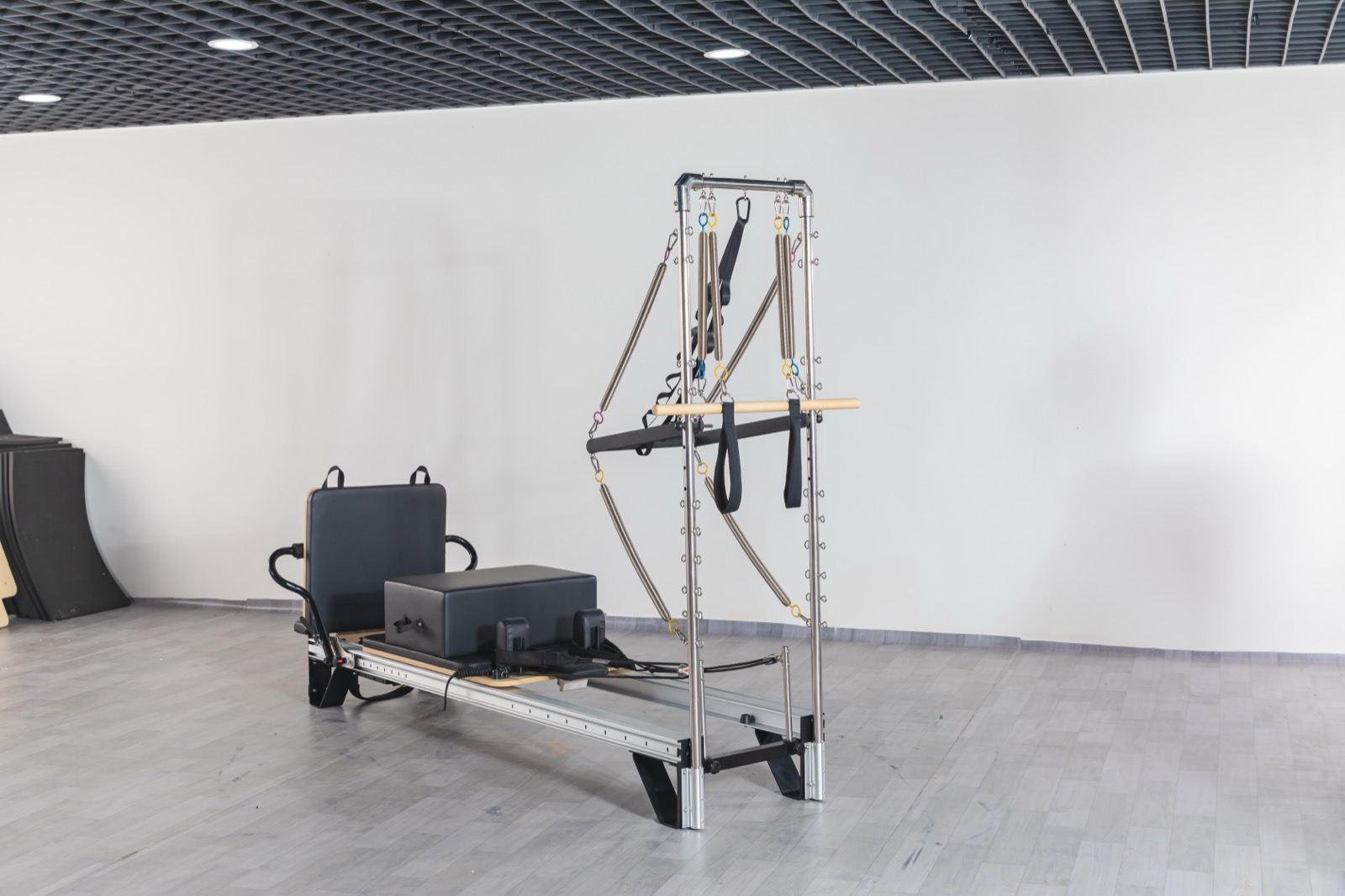
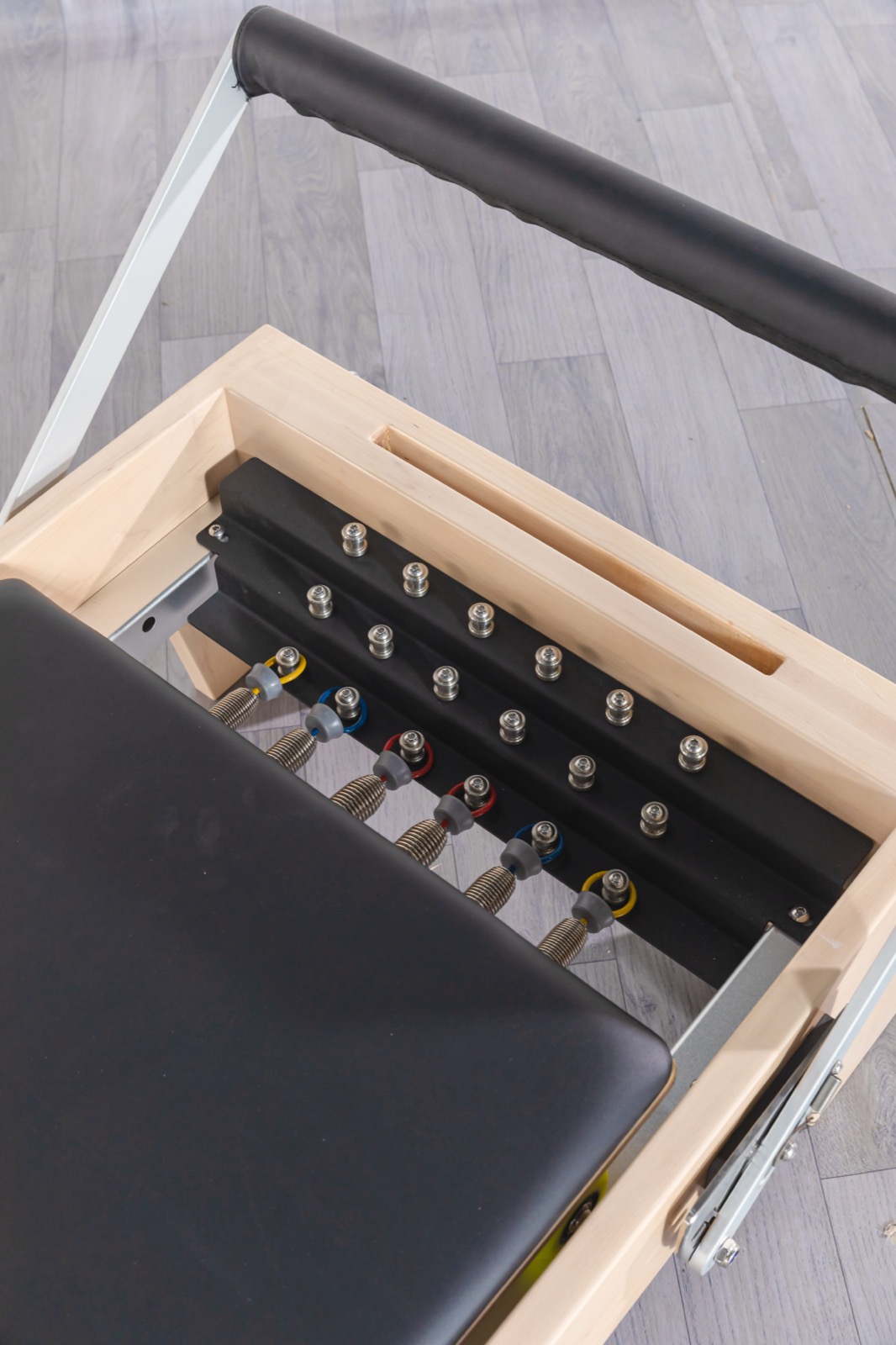
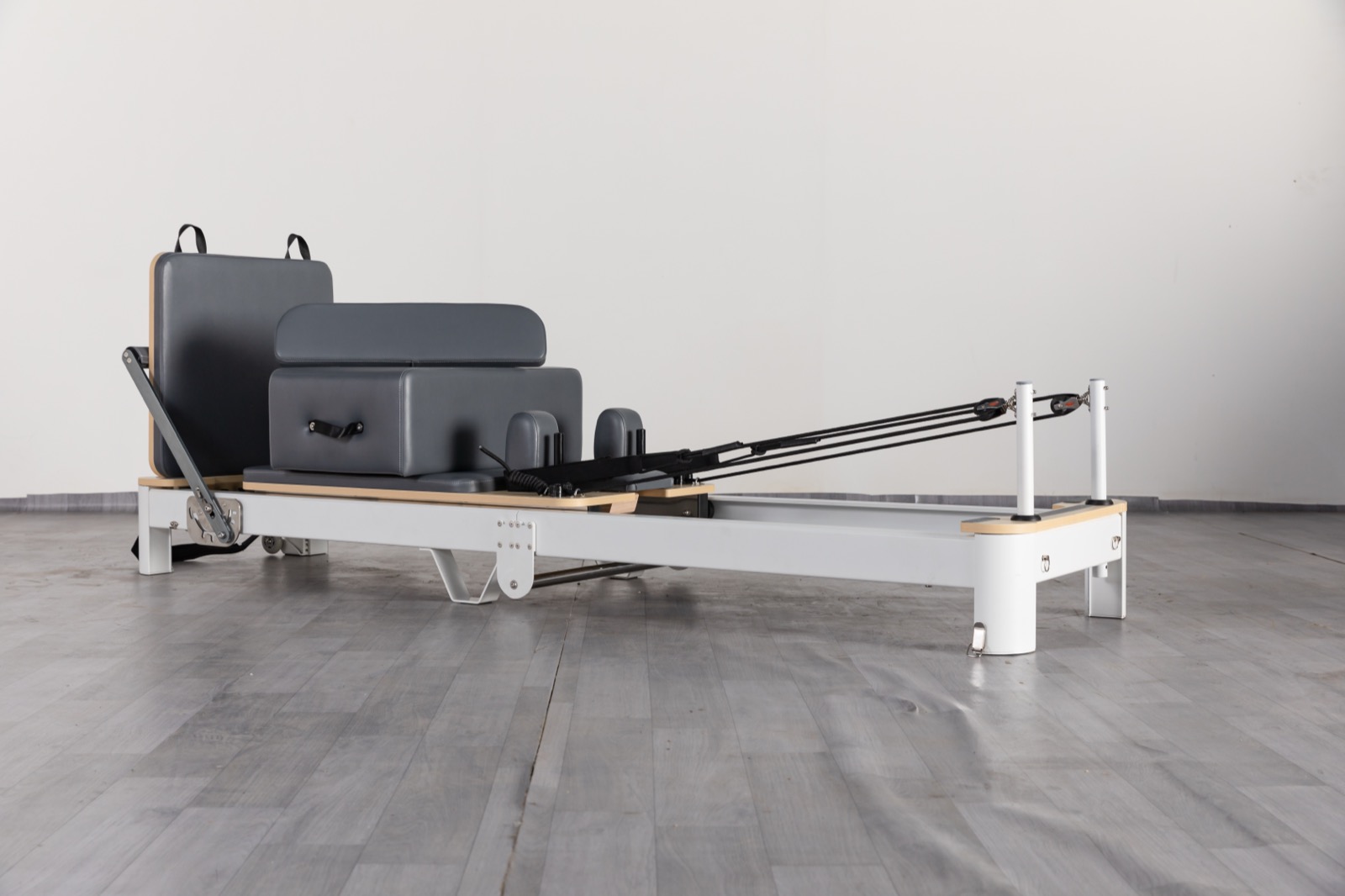
Ask about frame material, rail alignment, carriage wheel design, spring specification, rope and pulley system, footbar adjustment, shoulder rests, stopper positions, upholstery finish and accessories. For studio buyers, these details affect the client experience. For distributors, they affect repeat orders, warranty conversations and the ability to support local customers without asking the factory for every small answer.
Commercial-grade durability is also about consistency across a batch. If a buyer orders ten reformers, every unit should feel and look like the same product line. Factory QC should check assembly, movement, visible finish, accessories, logo placement, carton marks and packing protection before the goods leave production.
Plan OEM, private label and local positioning
Commercial studios can still request logo and upholstery customization, but those choices should follow equipment suitability. Customization should be discussed early because it affects quotation, MOQ, lead time, sample approval and packing. A private label buyer may need custom logo placement, upholstery color, frame finish, carton label, model naming and photography support. A studio project may only need color matching and a clean visual identity.
The safest way to start is to separate simple customization from structural redesign. Logo, upholstery, frame color and packing marks are usually easier to control than a new frame design. If a buyer requests custom frame design, Lumina should confirm drawings, prototype expectations, test requirements, repeated production feasibility and how future spare parts will be identified.
Local market positioning matters too. Spanish-speaking boutique studios often respond to warm studio visuals and relationship-driven communication. German-speaking buyers often value technical clarity, durability and precise service information. Gulf wellness buyers may prioritize luxury finish, privacy and hotel project timing. English global buyers usually need a strong combination of product clarity, quote speed and export reliability.
Confirm factory proof, QC and export packing
A factory should be able to explain which models are intended for commercial studio use and which models suit compact or lower-frequency settings. Buyers should request real factory communication before confirming a bulk order: product photos or videos, model list, packing information, sample or pre-production confirmation when needed, and clear answers about spare parts. This is especially important for importers and distributors that will represent the product in their own market.
Quality control should cover incoming material checks, in-process assembly checks, final movement testing, visual inspection, accessory matching, logo and color confirmation, carton labeling and packaging photos. For reformers and Cadillac equipment, movement quality should be checked before packing because alignment issues are harder to solve after overseas delivery.
Export packing is not a small detail. Pilates equipment is long, heavy and often includes moving parts, upholstery, wood surfaces, metal frames and accessories. Buyers should ask for packing size, gross weight, carton or crate method, accessory list and loading guidance. Clear packing records reduce disputes when a shipment arrives at a studio, hotel site or distributor warehouse.
Build a quotation-ready RFQ
Procurement should clarify use frequency, class capacity, storage needs, packing data and replacement parts before comparing prices. A good RFQ should include model names or product categories, target quantity, destination country, preferred Incoterms, required accessories, customization needs, logo files if available, color reference, expected delivery timeline and whether the order is for a studio opening, distributor stock, hotel project or private label launch.
Buyers should also ask for what is not yet confirmed. If exact MOQ, lead time, packing size, weight or accessory details depend on the model, the supplier should say so clearly instead of guessing. Transparent answers build trust and help the buyer make a real purchasing decision rather than comparing unrealistic headline prices.
For studio packages, attach a room plan or explain the room dimensions. For distributors, explain the target customer and preferred SKU range. For hotel wellness projects, mention opening date and interior style. These details allow Lumina to prepare a more useful proposal than a simple unit-price reply.
FAQ
Can a home Pilates reformer be used in a commercial studio? Some models may work for light use, but studios should confirm frame stability, movement, durability and parts support before using home equipment commercially.
What is different about commercial Pilates reformers? Commercial reformers are chosen for repeated use, stable movement, stronger structure, easier adjustment and after-sales support.
Are foldable reformers commercial equipment? Some foldable models can support studio use when structure, locking system and movement quality are suitable.
What should studios ask before choosing? Ask about intended use, product size, frame material, spring system, accessories, packing and replacement parts.
CTA: ask Lumina for a factory quotation
Ask Lumina to compare commercial, foldable and half Cadillac reformer options for your room. Send Lumina your model list, quantity, destination country, preferred material, customization needs and project type. The team can help prepare a factory quotation, OEM solution or studio package proposal based on real procurement information.
If you are not sure which models to choose, start with the business goal: boutique Pilates studio, commercial gym room, hotel wellness project, distributor catalog or private label reformer line. Lumina can help turn that goal into a practical equipment mix with reformers, Cadillac options, accessories, spare parts and export packing details.
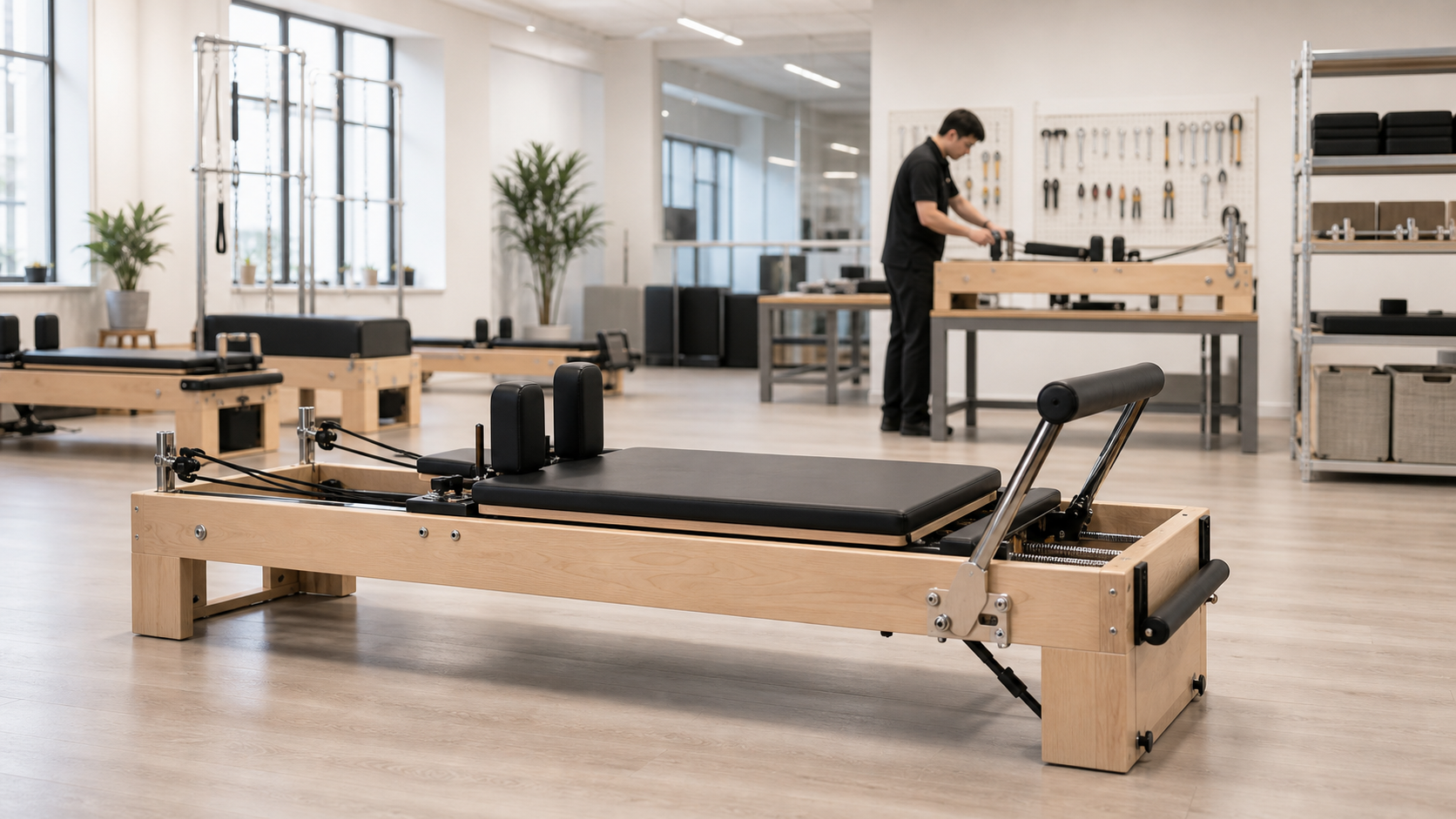
Image generation prompt: realistic commercial photography of a bright Pilates studio procurement scene, Lumina-style commercial reformers arranged for a boutique studio or wellness project, natural daylight, premium but practical equipment details, visible wood or aluminum frame, instructor preparing equipment, no text overlay, clean editorial product photography for a B2B blog hero image.
Related Lumina Resources
Key Takeaways
- commercial vs home Pilates reformer searches should be answered with procurement detail, not generic Pilates marketing.
- Commercial buyers need clear guidance on materials, structure, QC, packing, spare parts, OEM options and quote preparation.
- Lumina should route readers from education into a factory quotation, OEM solution or studio package proposal.