
This article is written for Lumina Pilates B2B buyers, with product links and inquiry paths adapted to Lumina's catalog.
Quick answer for buyers
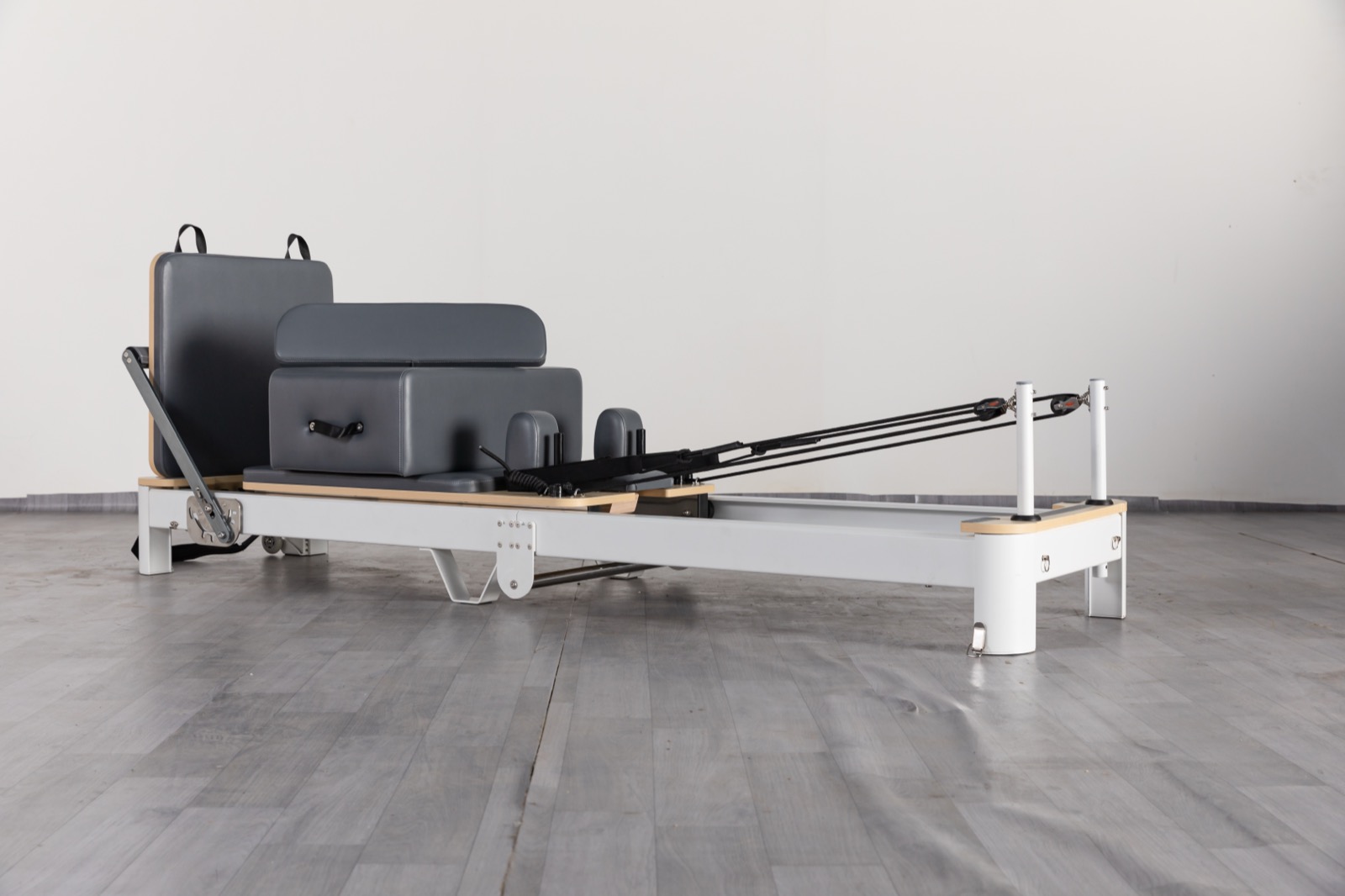
Commercial Pilates equipment is selected for repeated studio use, instructor workflow, stable movement, durable upholstery, accessory compatibility and after-sales planning. Home Pilates equipment is usually selected for compact size, storage convenience and individual use.
The right choice depends on buyer channel. A boutique studio should prioritize commercial stability. An online seller may need foldable and home-studio options. A distributor may need both categories with clear positioning.
Commercial studio priorities
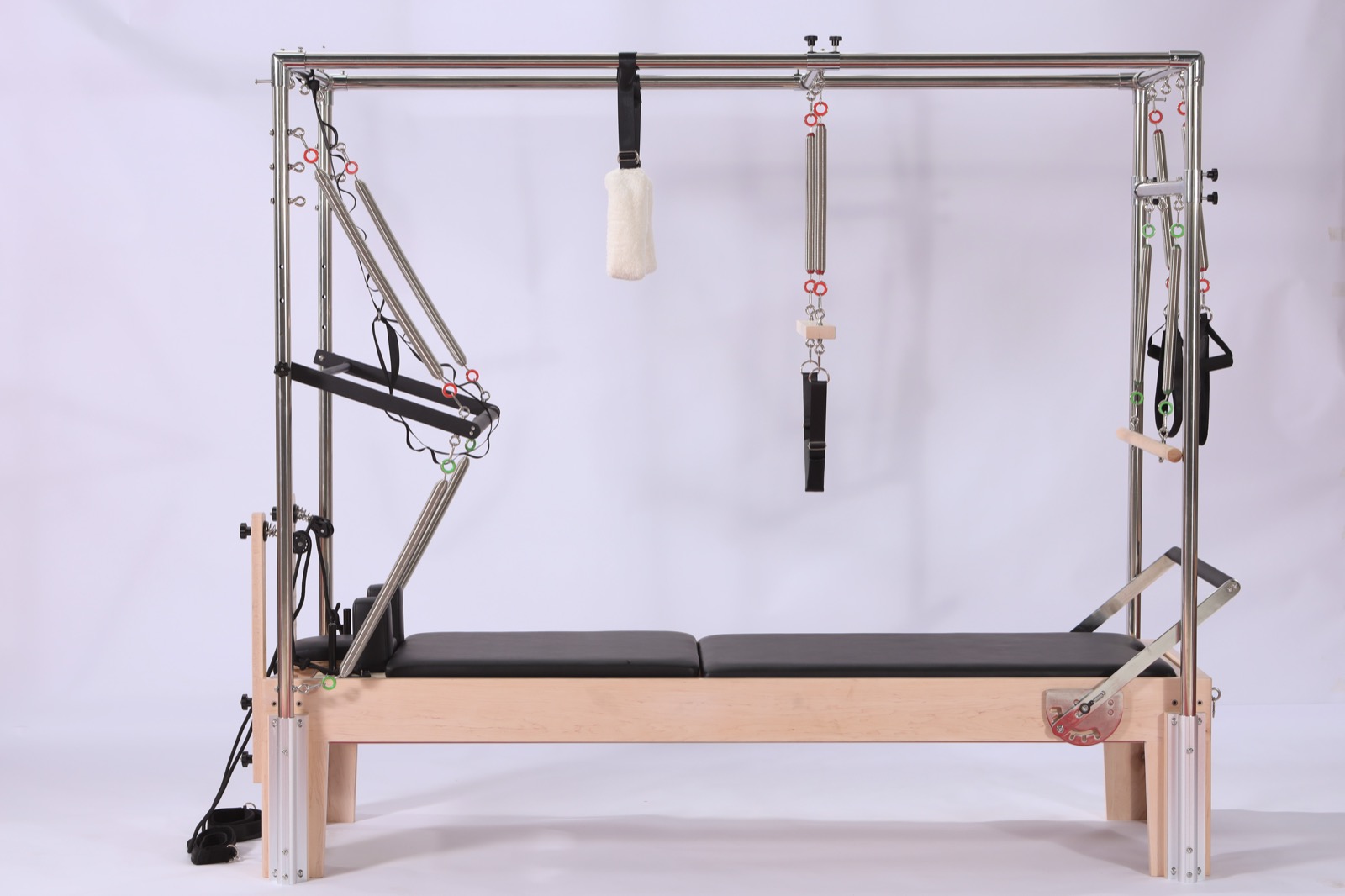
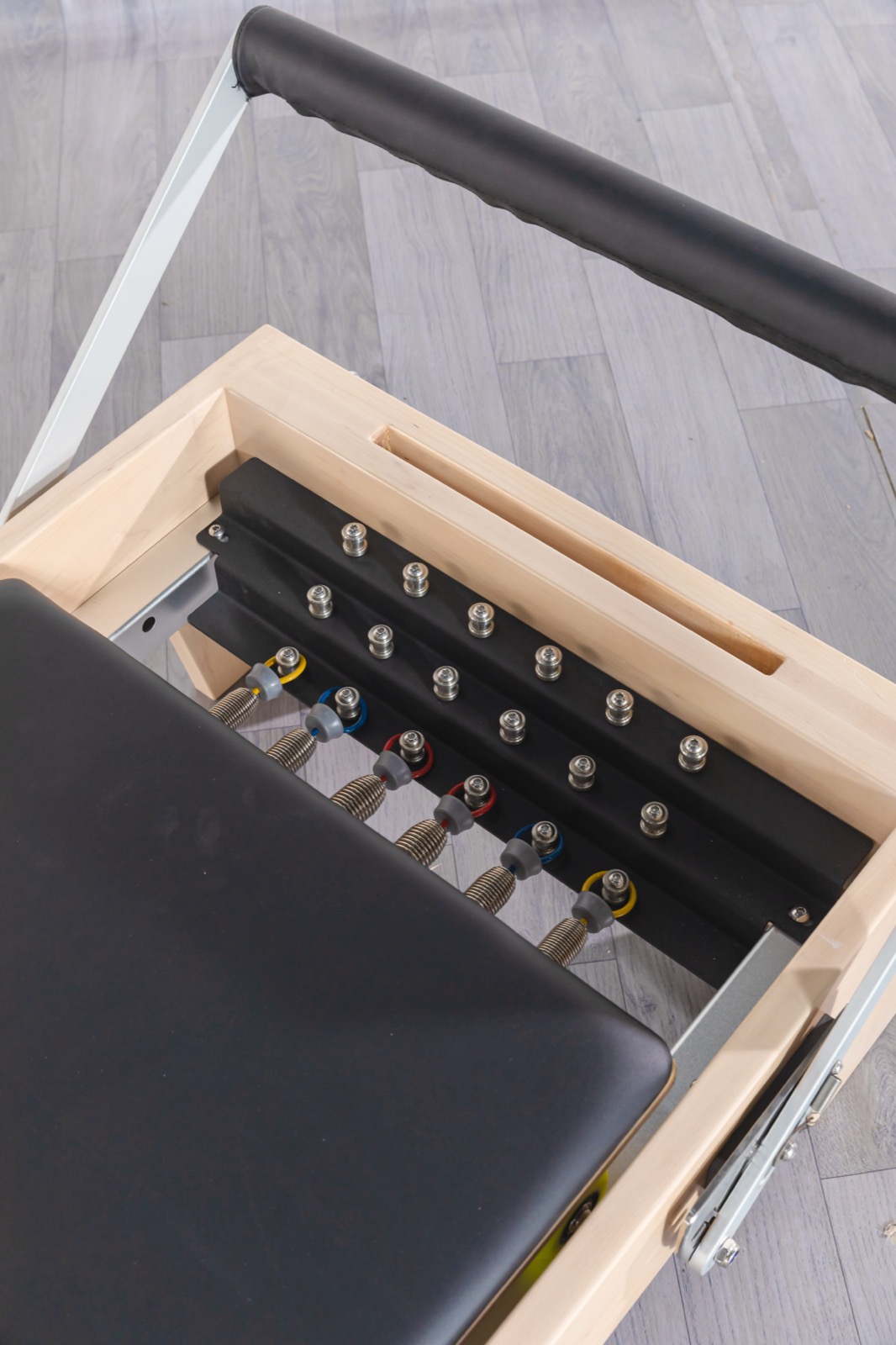
Commercial studios need equipment that can support multiple sessions per day. Buyers should check frame stability, carriage smoothness, spring resistance, ropes, pulleys, upholstery, cleaning, accessory sets and spare-part availability.
The studio also needs consistent equipment across multiple stations so instructors can run classes efficiently. A low-cost model that creates adjustment friction may reduce the quality of the class experience.
Home and compact room priorities
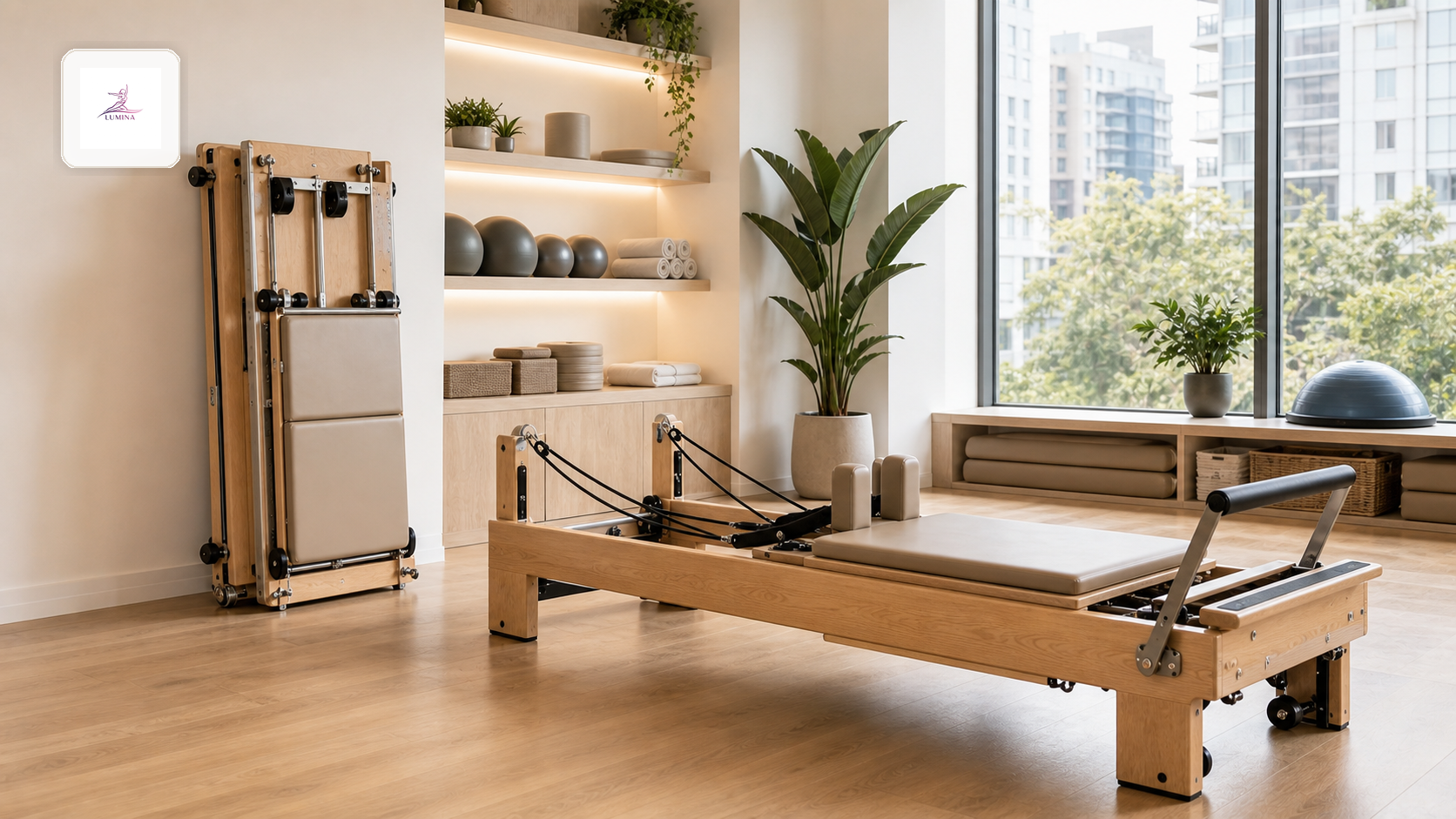
Home studio buyers often care about folded size, moving wheels, storage path, room fit and simple setup. A foldable reformer may be suitable when the product is stable enough for the intended use and the buyer understands the daily storage workflow.
Online sellers should explain use cases honestly. A compact product should not be marketed as the same as a full commercial studio setup unless the specifications and intended use support that claim.
How distributors can sell both
Distributors can organize product lines by buyer scenario: commercial studio reformers, premium wood reformers, foldable home-studio reformers and accessories. This helps local customers choose without confusion.
Specification sheets and packing data are important for both categories. Commercial buyers need confidence in durability, while home-studio buyers need clear storage and delivery information.
FAQ
Can home Pilates reformers be used in studios? Only if the model is suitable for repeated commercial use. Buyers should confirm intended use with the supplier.
Are commercial reformers always larger? Not always, but they are usually evaluated by stability, movement and durability rather than storage alone.
What should online sellers request from suppliers? Ask for size, folded size, packing, weight, accessory list, use-case guidance and after-sales support information.
Key Takeaways
- Commercial equipment should be evaluated by repeated use and instructor workflow.
- Home equipment should be evaluated by storage, room fit and clear use-case claims.
- Distributors can carry both categories if positioning is clear.